What Are the Best Printed Boxes for 2026?
The best printed boxes for 2026 will balance shelf appeal, shipping protection, cost, and material efficiency. A beautiful box still fails if its corners crush during delivery. A sturdy one can also disappoint when its colors look dull under store lighting. The right choice depends on the product, sales channel, print run, and customer expectations.
Market forecasts offer useful context, not a shopping list. Smithers’ report, The Future of Global Packaging to 2028, estimated the global packaging market at about $1.17 trillion in 2023 and projected continued growth. That scale points to sustained demand, but it does not mean every brand needs premium packaging. The U.S. Environmental Protection Agency reported that paper and paperboard packaging had a 68.2% recycling rate in 2018, a useful benchmark with an important limitation: it reflects U.S. materials management, not every region or box design. In practice, recyclability depends on local systems and the finished package. Ink coverage, coatings, inserts, and adhesives matter.
This guide compares printed boxes by real-world performance: crisp color, reliable structure, production flexibility, and clear material information. It also considers digital and offset printing, since order size and artwork complexity can change the better option. Some trade-offs are less tidy than a product page suggests. A lighter box may reduce material use, yet need stronger design testing. As you plan for 2026, treat supplier samples and verified specifications as evidence—not decoration.
Printed Boxes: Definition, Structure, and Core Functions
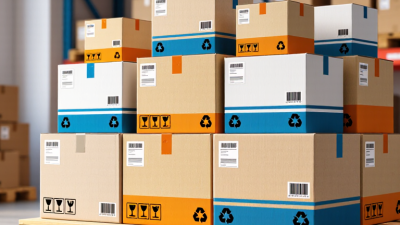
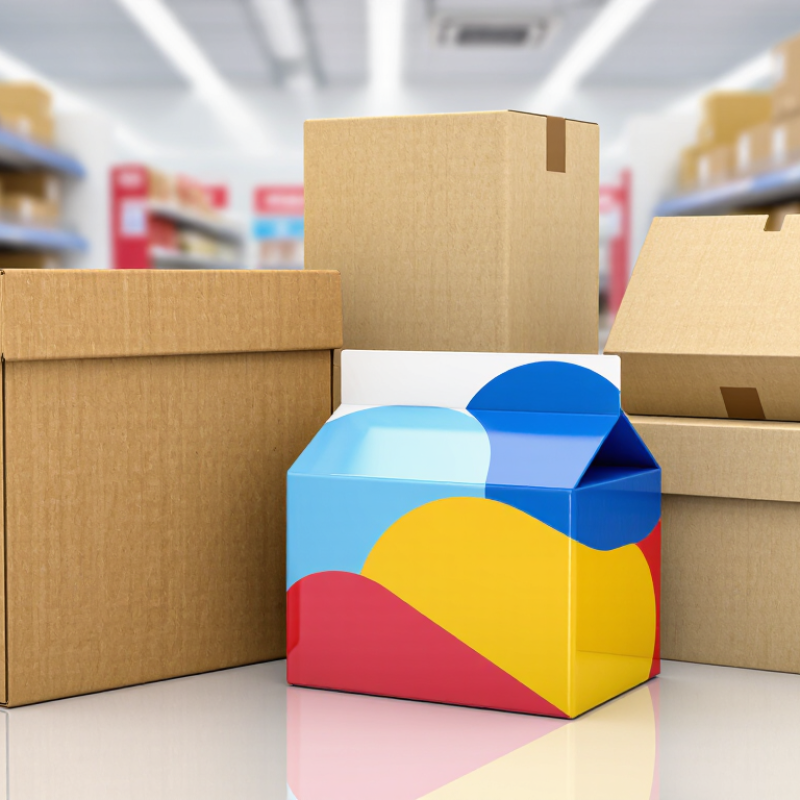
Printed boxes are packaging made from paperboard or corrugated board, with text, graphics, or patterns printed directly on their surfaces. The box is both a container and a communication surface. Its message should remain readable under shop lighting and after ordinary handling.
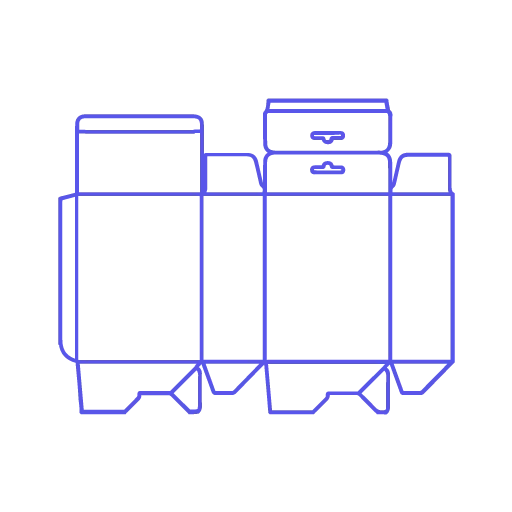
A typical folding carton has scored panels, tuck flaps, and a glued seam. Corrugated boxes add a fluted inner layer between flat liners, giving them more cushioning for heavier or fragile products. Inserts can hold items in place, while coatings may help resist scuffs or moisture. These choices affect strength, cost, and how easily a box can be recycled. More decoration is not automatically better.
A printed box protects goods, identifies what is inside, and gives practical handling information. Clear product names and legible instructions help shoppers make quick decisions. On a shelf, color and layout can also distinguish one product from another. In shipping, however, a beautiful surface cannot compensate for weak board or a poor fit. A small sample test can reveal crushed corners, loose inserts, or ink that rubs off. Real use is rarely as neat as a design proof.
Main Types of Printed Boxes and Their Packaging Uses
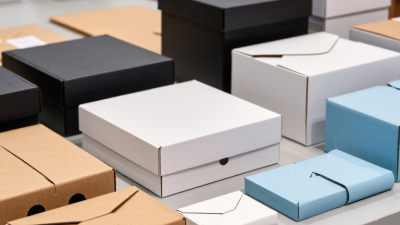
Folding cartons suit lightweight products such as tea, candles, and skincare jars. They ship flat, store efficiently, and accept clear product information on several panels. A matte surface can reduce glare under shop lighting, while a small window lets shoppers see the contents. Keep the structure simple. Extra coatings may look appealing, but they can add cost without improving protection.
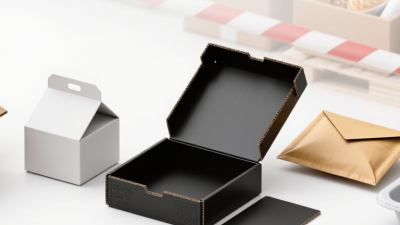
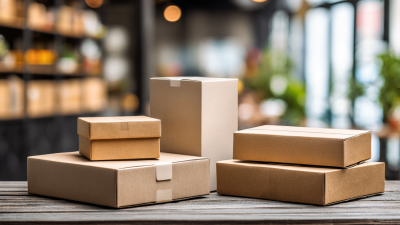
Rigid boxes offer a sturdier, more gift-like presentation for keepsakes, electronics, and premium sets. Their thick walls resist everyday handling, though the boxes take more storage space than folding cartons. Corrugated boxes are a practical choice for heavier goods or direct shipping. A snug insert can limit movement; test it with the actual product, since a loose fit may allow scuffs and rattling. Mailer boxes combine a closing lid with a self-contained shipping format, making them useful for subscription kits and small online orders.
Sleeve packaging wraps around a tray or carton and adds a visible area for seasonal graphics or key details. It uses less material than a full outer box, but may slide if the fit is poorly measured. Measure packed products, not empty components. Then check how boxes stack, open, and handle moisture in the intended setting. A printed box is not automatically a protective box; the right choice depends on weight, transit, shelf display, and how customers will reuse or discard it.
What Are the Best Printed Boxes for 2026?
Common uses of four main printed box types
This qualitative guide shows whether each box type is commonly used for each application: 1 = yes, 0 = not a typical use. It describes general packaging applications, not market share or performance rankings.
Box Materials and Printing Methods for 2026
What Are the Best Printed Boxes for 2026?
Box Materials and Printing Methods for 2026
The right printed box starts with its journey, not its artwork. A lightweight paperboard carton suits cosmetics, books, and other compact products. Corrugated board offers more cushioning for heavier goods or longer shipping routes. Recycled fiber can reduce reliance on virgin material, but its surface may look less uniform. Check samples under real lighting.
Printing choices depend on the material, quantity, and detail required. Digital printing works well for short runs and changing designs. Flexography can suit larger runs on corrugated board. Offset printing can produce fine detail on smoother paperboard, though it may require extra setup. Small details matter. A dark logo on brown kraft board may print differently than expected, so request a physical proof.
Finishing affects both appearance and use. Aqueous coatings can help resist scuffs, while heavy laminates may complicate recycling. Not always a clear trade-off. Test boxes with the actual product inside, then stack and handle them as customers might. Measure color, crease quality, and damage after transit. One honest limitation: a beautiful mock-up cannot predict every production variation. Use clear tolerances and inspect a first production sample before approving the full run.
How to Compare Boxes by Cost, Protection, and Sustainability
A printed box should earn its extra cost through better protection, clear communication, or easier handling. Compare the full delivered price, not just the unit quote: include print setup, minimum order quantities, storage, and shipping. A vivid design can look impressive on screen, but the real test is whether it stays readable after a damp delivery or a rough conveyor ride. Small details matter.
Protection is measurable. Ask suppliers for box dimensions, board grade, and relevant transit-test results; ISTA procedures provide established methods for evaluating packaged products. Still, the right test depends on the product and shipping route. I would not assume a thicker box is always safer.
Material choice also affects the sustainability comparison. The US EPA’s 2018 Advancing Sustainable Materials Management report recorded a 80.9% recycling rate for paper and paperboard containers and packaging. That figure describes a broad material category, not every printed box.
McKinsey’s 2020 US consumer survey reported that about 60% of respondents were willing to pay more for sustainable packaging. Treat that as a market signal, not a guarantee of sales. Compare recycled content, box weight, and local recycling access together; a lighter box that fails in transit may create more waste, not less.
Printed Box Requirements Across Different Industries
What Are the Best Printed Boxes for 2026?
Printed Box Requirements Across Different Industries
The best printed box depends on what it must protect, where it travels, and how customers use it. Food boxes need clean, durable surfaces and clear ingredient information. Beauty packaging often relies on precise color and finish to create a consistent shelf appearance. Electronics boxes need fitted inserts that limit movement; a glossy print cannot compensate for poor cushioning. These needs can conflict. More ink or heavier board may improve appearance, but can add cost and material.
For shipping, prioritize structure, legible handling information, and print that stays readable after scuffing. The U.S. Environmental Protection Agency’s 2018 Facts and Figures report estimated that 80.9% of paper and paperboard packaging was recycled. That figure supports thoughtful material choices, but recyclability still depends on local collection and box construction. Avoid promising a box is recyclable everywhere. Pharma and healthcare packaging also needs clear, durable labeling, while retail boxes may need strong shelf impact. Test actual samples under real storage and delivery conditions.
Tips: Ask for board specifications, food-contact suitability where relevant, and print rub tests. Check a filled box, not just a flat sample. Small details matter.