Choosing the right box is rarely a simple design decision. Product weight, shipping distance, shelf exposure, and customer expectations all matter. This guide examines the top types of boxes and packaging used across retail, e-commerce, food, electronics, and industrial supply chains.
The market is significant. Smithers’ report, The Future of Global Packaging to 2028, valued the global packaging market at approximately $1.2 trillion in 2023. It also identifies sustainability, automation, and e-commerce as major growth influences. That growth creates more choices, but also more confusion. Corrugated boxes remain practical for shipping because their fluted layers absorb impact. Folding cartons offer efficient printing and strong shelf appeal. Rigid boxes provide a premium feel, especially for cosmetics, gifts, and electronics. Mailer boxes simplify direct-to-consumer fulfillment. Molded-pulp packaging can reduce reliance on expanded plastics, although moisture resistance remains a limitation.
There is no universal winner. Not even close. A lightweight folding carton may look elegant, yet fail under warehouse compression. A heavy rigid box may protect a product, but increase freight emissions and costs. The U.S. Environmental Protection Agency reported that containers and packaging represented 28.1% of municipal solid waste generation in 2018. That figure reinforces a practical lesson: packaging performance must be measured beyond appearance. The best boxes and packaging balance protection, material efficiency, brand presentation, and end-of-life options. This overview uses industry evidence, but some recommendations still require testing. Real products behave differently in real warehouses. Temperature, humidity, stacking, and careless handling can expose weaknesses that a catalog never shows.
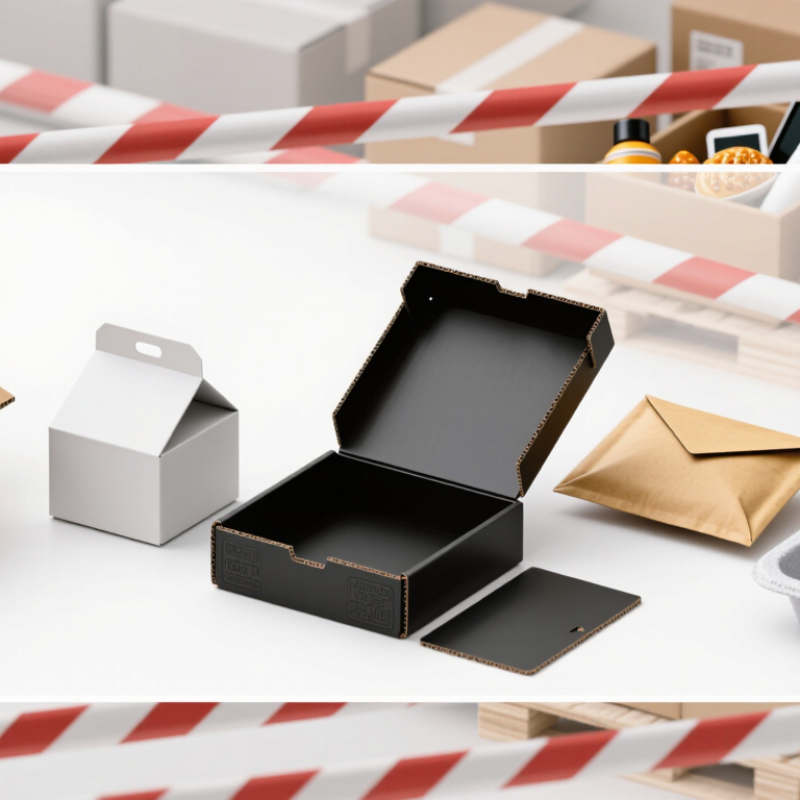
What Are the Top Types of Boxes and Packaging?
What Defines a Box or Packaging Type?
A box is not defined by its shape alone. Its type comes from structure, material, opening method, and intended job. A folding carton uses creased paperboard and ships flat. A rigid box keeps its form and often protects delicate products. Corrugated packaging adds fluted layers for cushioning during handling. These differences affect cost, storage space, assembly time, and product safety.
Packaging professionals usually assess five practical features: strength, closure, fit, print surface, and disposal route. A mailer may use a self-locking tab, while a shipping case needs reinforced seams. A sleeve can improve shelf appearance, but it offers limited protection by itself. A custom insert stops movement around a glass container during delivery. Details matter. Measure the product with its accessories, not just its main body. That small mistake can create pressure points or wasted interior space.
Real testing should include stacking, vibration, drops, humidity, and repeated opening. I have seen an attractive sample fail because its closure loosened after handling. A stronger material fixed it, but increased weight and shipping expense. The better choice depends on the complete journey, from packing table to customer’s hands. Even experienced teams should review assumptions. A box that looks efficient may be difficult to recycle or assemble consistently. Clear specifications, measured trials, and honest feedback make the selected packaging type more dependable.
Boxes are classified by both material and structure, not appearance alone. Corrugated fiberboard uses fluted paper between liners, creating cushioning and stacking strength. Smithers’ 2024 report, The Future of Global Corrugated Packaging to 2028, valued this market at about $205.8 billion in 2023. Folding cartons use paperboard and arrive flat, making them efficient for retail shelves. Rigid setup boxes use thick board and arrive assembled. They feel premium, but require more storage space.
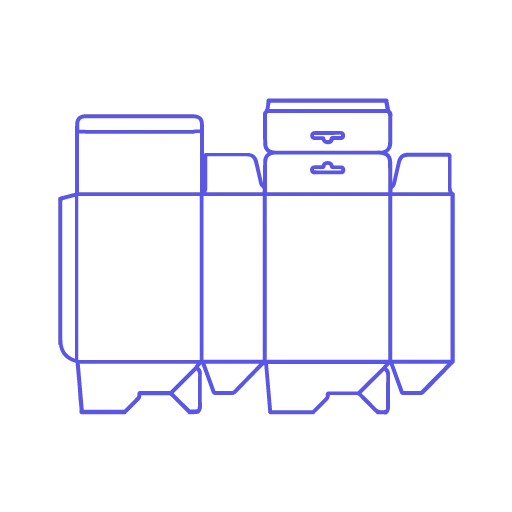
Structure determines how a box handles pressure, assembly, and shipping. Regular slotted containers suit many warehouse applications because their flaps meet at the center. Die-cut mailers use locking panels, reducing tape and improving opening convenience. Telescope boxes have separate lids and bases, which helps protect dense or delicate products. Material still matters. A light corrugated grade may lower shipping weight, yet it can fail under humidity or uneven loads. That trade-off is often underestimated.
Tips: Match the box to the product’s weight, stacking height, and delivery route. Measure internal dimensions, not external size. Test filled samples on a pallet. The International Safe Transit Association recommends practical distribution testing because laboratory strength does not fully predict real handling. Also check whether coatings, laminations, or mixed materials complicate recycling. This part needs more attention. A recyclable-looking box may not be easily recyclable locally. I have seen designs optimized for appearance, then weakened by oversized internal voids. Small revisions can prevent that mistake.
| Packaging Type | Primary Material | Structural Classification | Main Characteristics | Typical Applications | Recycling and Sustainability Notes |
|---|---|---|---|---|---|
| Corrugated Box | Paper linerboard and fluted corrugated fiberboard | Single-wall Double-wall Triple-wall | Lightweight, stackable, printable, and resistant to compression and impact. Flute profiles influence cushioning and stiffness. | Shipping cartons, moving boxes, e-commerce parcels, appliances, and warehouse transport packaging. | Widely recyclable when clean and dry. Recycling performance may be reduced by heavy grease, wax, or plastic-film contamination. |
| Paperboard Folding Carton | Solid bleached sulfate, coated unbleached kraft, or recycled paperboard | Die-cut and folded Tuck-end Sleeve | Thin, lightweight, and suitable for high-quality graphics. Usually shipped flat and assembled at the point of use. | Dry foods, cosmetics, medicines, household products, and small consumer goods. | Paperboard is generally recyclable, but metallic coatings, plastic laminates, and certain barrier layers can affect fiber recovery. |
| Rigid Paperboard Box | Thick paperboard, chipboard, or wrapped greyboard | Two-piece lid Shoulder box Magnetic closure | Strong, dimensionally stable, and able to provide a premium presentation. Commonly supplied assembled or semi-assembled. | Gifts, electronics, apparel, specialty foods, and presentation packaging. | The paper structure can be recyclable, although fabric, foam, magnets, ribbons, and laminated coverings may need to be removed or separately managed. |
| Kraft Paper Box | Virgin or recycled kraft paperboard and kraft corrugated board | One-piece foldable Mailer Auto-lock base | Brown or naturally colored appearance, good tear resistance, and a relatively low-material design. Often used without an additional outer carton. | Takeaway food, bakery items, apparel mailers, subscription shipments, and retail packaging. | Usually recyclable if free of food residue and non-paper coatings. Unbleached kraft paper can reduce the need for bleaching chemicals. |
| Plastic Box | Polypropylene, polyethylene, PET, polystyrene, or other thermoplastics | Rigid clamshell Snap-fit box Stackable container | Moisture-resistant, durable, and reusable in many applications. Transparent formats can provide product visibility. | Food containers, hardware storage, toys, electronics accessories, and reusable transport packaging. | Recyclability depends on the resin type, local collection system, additives, and product design. Reuse can reduce packaging demand over multiple cycles. |
| Plastic Film and Flexible Pouch | Polyethylene, polypropylene, polyester, nylon, or multilayer films | Pouch Bag Stand-up pouch | Very lightweight, space-efficient, and capable of providing moisture, oxygen, or light barriers. Some pouches include resealable closures. | Snacks, pet food, frozen foods, personal-care products, and refill packaging. | Single-polymer films are generally easier to recover than multilayer structures. Many flexible packages are not accepted in standard curbside recycling systems. |
| Wooden Box or Crate | Solid wood, plywood, or wood-based panels | Slatted crate Nailed case Plywood case | High rigidity and impact resistance. Suitable for heavy, oversized, or fragile products and for repeated handling. | Industrial equipment, machinery, produce, wine, furniture, and export transport. | Can often be repaired, reused, recycled into wood products, or recovered for energy. Treatment requirements may apply to wood used in international shipping. |
| Metal Tin or Can | Steel or aluminum | Two-piece can Three-piece can Hinged tin | Strong barrier against light, moisture, gases, and physical damage. Metal packaging can provide long shelf life for many products. | Food, beverages, cosmetics, paints, chemicals, and collectible or reusable containers. | Steel and aluminum are highly recyclable where collection and sorting infrastructure is available. Empty containers should generally be clean and free of hazardous residues. |

| Glass Container | Soda-lime glass or borosilicate glass | Bottle Jar Vial | Excellent barrier against moisture and gases, chemically stable, transparent or colored, and suitable for repeated reuse in some systems. | Beverages, sauces, preserves, cosmetics, pharmaceuticals, and laboratory products. | Glass can be recycled repeatedly without changing its basic material properties, but collection systems require accurate color sorting and contamination control. |
| Molded Pulp Packaging | Recycled paper fibers, virgin pulp, or agricultural fibers | Tray Clamshell Protective insert | Fiber-based cushioning that can be molded into precise shapes. It is lightweight and often used as an alternative to expanded plastic foam. | Eggs, produce, electronics inserts, cosmetics, food service, and protective shipping components. | Generally compatible with paper recycling when clean and free of coatings. Moisture resistance may require additives or coatings that influence recyclability. |
| Composite or Laminated Box | Two or more bonded materials, such as paperboard with plastic or aluminum layers | Aseptic carton Barrier carton Laminated sleeve | Combines the properties of different materials to improve barrier protection, shelf life, stiffness, or appearance. | Liquid foods, beverages, frozen products, specialty foods, and products requiring extended barrier performance. | Recycling depends on specialized separation and pulping facilities. Clear material labeling and local recycling guidance are important. |


Box design should begin with the product, not a fashionable shape. Small items often suit folding cartons with tuck ends, because they are light, stackable, and easy to display. Cosmetics, stationery, and packaged accessories may also need window panels or internal trays. These features help customers inspect the product without opening the box.
Heavier products need stronger protection. Corrugated mailer boxes work well for online orders, especially when products face drops or pressure during transport. Glassware and delicate equipment usually require fitted inserts, corner protection, and enough space for cushioning. Rigid boxes create a premium feel, but they add weight and storage costs.
A practical test is simple: pack the product, shake the box, and check for movement. I have sometimes chosen attractive packaging that was too large. It looked impressive, but the extra space increased damage risk and shipping expense.
Tips: Measure the product at its widest points. Leave room for safe cushioning, not empty air. Test the box after stacking, dropping, and opening it repeatedly. A die-cut design can improve fit, but complicated shapes may slow production. Ask whether customers can open the package without scissors. Small details matter. Reconsider the design if the package creates waste or frustrates handling. Safety, product stability, and clear labeling should guide the final choice.
What Are the Top Types of Boxes and Packaging?
How Protective, Retail, and Shipping Packages Differ
Packaging works best when its purpose is clear. Protective boxes focus on cushioning, strength, and product stability. They often use thicker board, fitted inserts, or layered paper padding. A ceramic mug needs more than a clean outer surface. It needs space around the handle and protection from sudden impact. In practical packing tests, small gaps often become failure points. A box may look strong but still crush under uneven pressure.
Retail packages serve a different job. They must protect the product while communicating useful information. Clear labels, easy opening, and neat proportions influence how customers handle the package. A rigid carton can support a premium appearance, but excessive layers may frustrate shoppers. That trade-off deserves careful review. Good retail packaging feels secure without becoming difficult to recycle or store.
Shipping packages face repeated movement, stacking, vibration, and changing temperatures. Corrugated cartons, sealed edges, and internal padding help reduce damage during transport. The right size matters too. An oversized box allows products to shift, while an undersized box creates pressure on corners. Test the packed item before large-scale use. Drop testing is valuable, but it cannot recreate every delivery route. Packaging decisions should consider product weight, travel distance, storage conditions, and handling habits. A simple design may perform better than an impressive one.
How protective, retail, and shipping packages differ by their typical functional strengths.
Scores use a comparative 1–5 scale based on the typical structural characteristics and common applications of each packaging format: 1 indicates limited suitability and 5 indicates strong suitability.
Choosing among corrugated boxes, folding cartons, rigid boxes, and flexible mailers starts with the product’s real journey. A fragile glass item may need double-wall corrugated board, molded cushioning, and tight internal spacing. A lightweight garment may need less material and a moisture-resistant mailer. Package dimensions also matter. Empty space increases movement, shipping volume, and damage risk. Testing should include drops, compression, vibration, and warehouse stacking.
Cost is only one factor. According to the OECD’s Global Plastics Outlook, packaging represented about 40% of global plastic use in 2019. This makes material efficiency and recovery options important decisions, not decorative claims. Paper-based formats can support recycling systems, but coatings, adhesives, and mixed materials may complicate processing. Recycled content can also affect strength and appearance. The best-looking box is not always the best-performing box.
Operations add another layer. Teams should check filling speed, sealing equipment, storage space, print requirements, and regional recycling access. A 2023 global packaging survey by McKinsey reported that consumers continue to value sustainability, product safety, and convenience, though priorities vary by market. That variation deserves caution. One package may protect products well but frustrate customers during opening. Another may reduce material use but fail in humid delivery conditions. Pilot runs, supplier testing, and measured damage rates reveal more than assumptions. No choice is perfect.
We offer Packaging Boxes delivered to your door. Secure, professional, and affordable, our custom made packaging boxes are guaranteed to protect and transport your valuable items. Our devoted team is always there to serve you.