Who Are the Top Box Inserts Manufacturers in China?

Choosing a Chinese supplier for box inserts involves more than comparing unit prices. The right insert should hold each product firmly, prevent movement, and arrive consistently across production runs. A molded-pulp tray, foam insert, or paperboard divider can each suit different products, but no material is right for every shipment.

Packaging educator and author Walter Soroka is associated with this useful definition: “Packaging is the science, art, and technology of enclosing or protecting products for distribution, storage, sale, and use.” That principle matters when assessing manufacturers. Ask how they test fit, manage material thickness, inspect finished inserts, and handle design changes. Request samples, drawings, and clear production specifications. Small details matter.

This guide looks at leading box inserts manufacturers in China through practical criteria: product range, customization, quality controls, communication, and experience serving export-oriented buyers. A supplier may show polished samples, yet repeatability at scale is what counts. Check whether prototypes match production pieces, and whether the company explains limitations openly. No shortlist is perfect. Even a capable factory may not suit a particular product, budget, or timeline. Use the profiles as a starting point, verify claims directly, and compare samples against your real product before making a decision.
Who Are the Top Box Inserts Manufacturers in China?

What Box Inserts Are and How They Protect Products

A box insert is the shaped inner component that holds a product in place. It may be made from corrugated board, molded pulp, or cushioning foam. A well-fitted insert limits sliding, separates fragile parts, and creates space between the item and the box walls. Picture a ceramic cup held by a snug ring: the outer carton may take a dent, while the cup avoids striking its neighbor. That matters.

Protection depends on fit, material, and how the parcel is handled. An insert that is too loose lets products bounce; one that is too tight can press on delicate edges. Pitney Bowes’ 2023 Parcel Shipping Index counted 21.7 billion U.S. parcels in 2022, a reminder of the repeated handling packages can encounter. That figure is not a damage rate. It does show why packaging should be designed for movement, drops, and vibration rather than appearance alone. ISTA transport-test procedures offer a practical way to evaluate complete packages under simulated shipping conditions. Not always. A carefully designed insert still needs testing with the actual product, box, and shipping route; real-world handling can expose flaws that a tidy prototype misses.

Which Box Insert Materials and Designs Are Common in China?

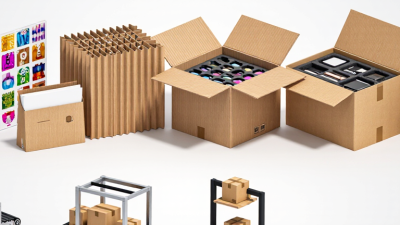
In China, box inserts commonly use molded pulp, corrugated paperboard, EVA or PE foam, and thermoformed PET or PP trays. Molded pulp suits bottles and small appliances because shaped cavities hold products without much extra material. Corrugated dividers work well for heavier items in transit. Foam offers a snug fit, but it can add bulk and complicate material separation. Fit matters.

Insert design usually follows the product’s shape and shipping risks. A tray may use raised edges, finger notches, or separate compartments to stop glass parts from knocking together. Paperboard inserts can be folded flat before packing, saving warehouse space. Moisture exposure changes the choice: paper-based parts may need a protective coating, while plastic trays resist dampness better. There is a trade-off. More cushioning is not always safer; tight cavities can mark soft finishes.

China Packaging Federation’s 2023 industry statistics reported about RMB 1.154 trillion in operating revenue for packaging enterprises above designated size, including roughly RMB 319 billion from paper and paperboard containers. These figures describe the wider packaging sector, not inserts alone. Still, they show why fiber-based options matter in China’s packaging supply chain. A practical specification should state cavity dimensions, product weight, drop-test needs, and whether components must separate easily. Not every design gets this right. A sample packed and shipped for testing can reveal loose corners or pressure marks before bulk production.

Who Are the Top Box Inserts Manufacturers in China? - Which Box Insert Materials and Designs Are Common in China?

This overview compares commonly used box insert materials and designs available from packaging manufacturers in China. It focuses on material characteristics and typical applications rather than ranking or naming companies.

Insert material or design Common characteristics Typical applications Design and sourcing notes
Paperboard and corrugated inserts Folded or die-cut paper structures that separate products and help limit movement inside a carton. E-commerce shipments, consumer goods, food and beverage multipacks, and lightweight products. Can be designed with slots, dividers, or cushioning folds. Paper grade and flute choice affect strength and fit.
Molded pulp Formed from fiber-based pulp into shaped cavities; commonly used as a protective and fiber-based packaging option. Electronics, small appliances, cosmetics, and fragile products that need shaped support. Cavity geometry should match the product. Surface finish and dimensional consistency depend on the mold and production process.
EVA foam A resilient, closed-cell foam that can be cut or shaped into fitted cavities and layered inserts. Tools, instruments, electronics, promotional sets, and products requiring a tailored presentation. Available in different densities and thicknesses. Specify cavity dimensions, surface finish, and any laminated layers.

EPE foam Lightweight expanded polyethylene foam used for cushioning and protection against impacts during handling and transit. Electronics, glassware, furniture components, and other items that need protective packing. Often converted into sheets, blocks, or shaped cavities. Confirm required thickness and fit through product testing.

Thermoformed PET or PP trays Rigid plastic trays shaped with product-specific cavities; useful for holding items in a fixed layout. Small electronics, components, cosmetics, and retail packs requiring organized presentation. Tray design depends on part geometry and forming requirements. Material selection should account for product, packaging, and recycling needs.


Die-cut partitions and dividers Paper-based cells or partitions that keep multiple items separated within one box. Bottles, jars, glass products, and multi-item shipments. Cell size and divider height should suit the product and outer carton. The design can be adjusted for packing efficiency.
Custom-cut cavity inserts A general design approach in which cavities are shaped to locate one or more products inside a box. Gift sets, product kits, tools, electronics, and multi-component packages. Can be produced from foam, paperboard, molded pulp, or plastic. Provide product samples or accurate drawings for fit checks.

Selection tip: Compare insert suppliers by material suitability, product fit, sample quality, manufacturing process, and compatibility with the outer box. Request a prototype and test the packed product under expected handling and shipping conditions.

How to Assess Leading Box Insert Manufacturers in China

Assessing a box insert manufacturer in China starts with the product, not the sales pitch. Share the box dimensions, product weight, and shipping conditions. Then ask how the insert will hold the item in place. A well-fitted insert should prevent movement without making packing slow. Request a drawing with key measurements and material details. Small gaps matter.

Review samples under realistic conditions. Place the product inside, close the box, and check whether the insert shifts or bends. A polished sample can mislead if it was made by hand rather than on production equipment. Ask for a production-line sample, plus details about inspection steps and acceptable measurement tolerances. Test several units, not just one. Results can vary.

Also assess how clearly the manufacturer handles changes. Can the team explain the trade-offs between paperboard, molded pulp, and foam alternatives? Do they confirm revisions in writing and provide a realistic lead time? Ask about minimum order quantities, quality records, and how defects are handled. These answers reveal more than a low quotation. Communication is evidence, though it is not proof. Even experienced buyers may overlook the cost of a late design change, so compare total project requirements before choosing a supplier.

Which Industries Do Chinese Box Insert Manufacturers Serve?

Chinese box insert manufacturers serve electronics, cosmetics, food gifting, healthcare, and automotive supply chains. Electronics buyers often need molded-pulp or foam compartments to stop devices and cables shifting in transit. Cosmetic sets use paperboard trays to separate glass bottles and improve shelf presentation. Food gift boxes may use shaped dividers, provided the materials suit the product and its packaging requirements. Medical-device and automotive suppliers often prioritize clean, repeatable layouts that protect small components.

Demand is linked to wider packaging trends. Fortune Business Insights estimated the global e-commerce packaging market at US$68.83 billion in 2023. More parcel shipments mean more need to hold products firmly, though that figure covers e-commerce packaging broadly, not box inserts alone. A rigid insert can look impressive yet add weight and cost; that trade-off is easy to miss. The right design depends on product dimensions, shipping conditions, order volume, and the unglamorous details of assembly.

Tips: Ask for a sample using your actual product. Check fit, edge protection, and how quickly staff can pack it. Small flaws show up fast.

What to Consider When Choosing a Box Insert Manufacturer in China?

Choosing a box insert manufacturer in China starts with the product, not the sales brochure. Share the item’s dimensions, weight, and packing method, then ask how the insert will hold it during shipping. A snug fit matters. It should prevent movement without making unpacking difficult. Request a physical sample and test it with your actual product, including a few drops and a full packing run.

Material knowledge is equally important. Paperboard, molded pulp, and foam each behave differently under pressure and humidity. Ask for material specifications, thickness, and any relevant test records. Check whether the factory can maintain consistent cutting and folding across repeated orders. A sample may look perfect, but production batches can vary. That is worth checking in person or through an independent inspection.

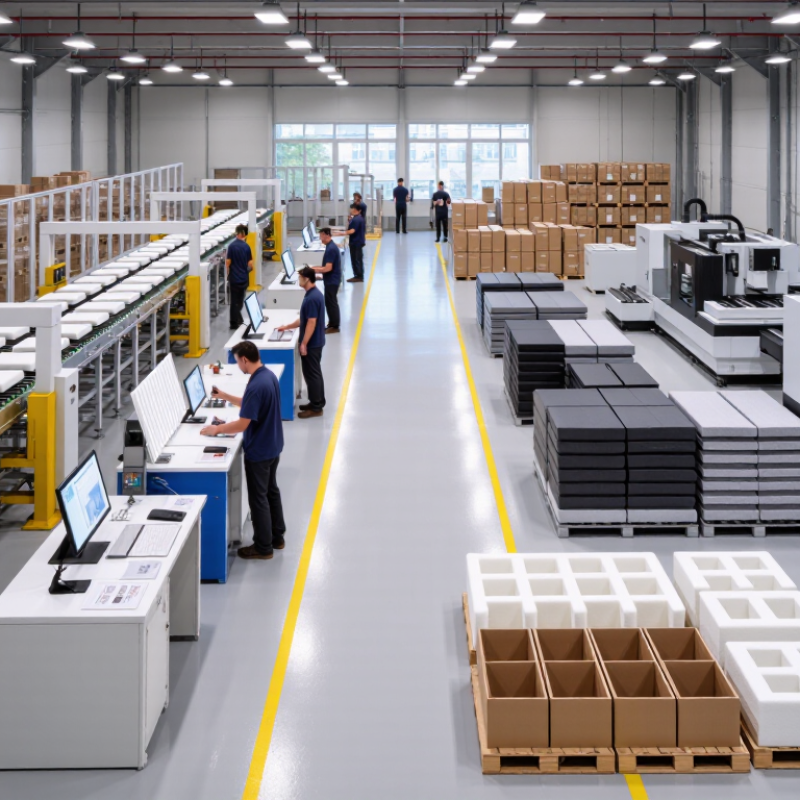
Communication and production control deserve close attention. Confirm who approves drawings, how revisions are recorded, and what happens when a sample fails. Ask for realistic lead times, minimum order quantities, and clear pricing for tooling and shipping. Visit the facility if practical, or request a live video walkthrough of the cutting and packing areas. I would not rely on polished photos alone. Some details are easy to miss until the insert arrives. A careful supplier should answer specific questions plainly, even when the answer is not ideal.

Get an Instant Quote

Share Your Feedback