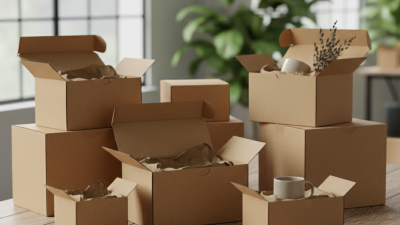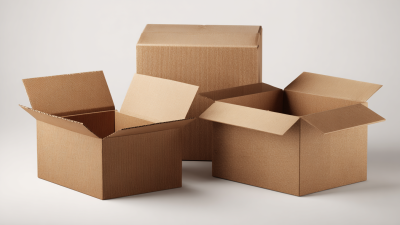
Choosing shipping boxes with logo is more than placing a mark on brown cardboard. The right package protects the product, carries your brand, and fits the way orders move through your operation. A logo may look crisp on a screen but lose detail on corrugated board. Small type, dark inks, and folds can change the result. That matters when a parcel reaches a customer’s doorstep. Good choices start with real measurements. Measure the packed item, allow room for cushioning, and consider stacking, handling, and storage. A snug box can reduce movement, while an oversized one may need extra fill and shelf space. Neither choice is automatic.
Before approving a large run, request a printed sample and test it with the actual product and packing materials. Check logo placement on every visible panel, then fold and seal the box as staff would during a busy shift. Look for scuffed ink, weak seams, awkward closures, and labels that cover important artwork. A quick test is useful. It is not a substitute for testing shipments under ordinary handling conditions. Also compare board strength, print method, minimum order quantity, lead time, and total delivered cost. Ask suppliers what their specifications mean, and keep those details in writing. Claims about recycled content or recyclability should be checked against the material and local collection options. A polished design can still be impractical. These seven tips will help balance protection, appearance, cost, and day-to-day packing needs. No box solves every problem. Perhaps the best choice is a careful compromise, not the most impressive sample.
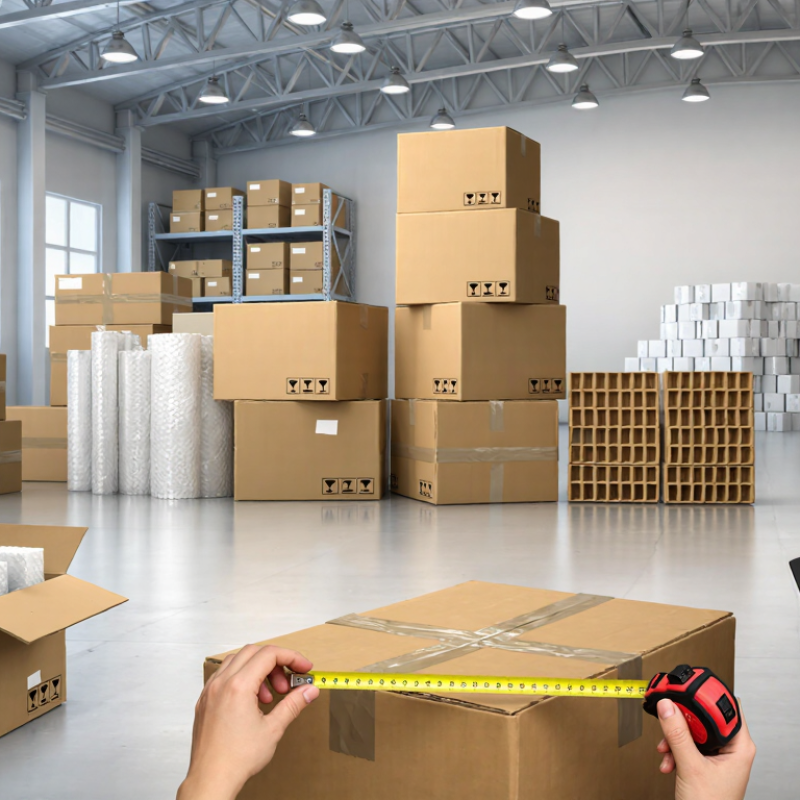
Before choosing a logo shipping box, assess the product itself. Measure its length, width, and height, including handles or other parts that stick out. Measure every item. A box that barely fits can crush corners or leave too little room for protective padding. A box that is much too large may let products shift during transit.
Consider weight, fragility, and how each order is packed. A ceramic mug needs more cushioning than a folded T-shirt, while a set of several items may need dividers to prevent contact. Check whether the product can tolerate pressure from boxes stacked above it. Damp conditions and long delivery routes also matter. These details help guide your choice of box strength and interior protection; a printed logo cannot compensate for weak packaging.
Think about your actual shipping routine, not just the finished box on a desk. Will staff pack orders by hand? Do boxes pass through sorting equipment or sit in storage before dispatch? Then test the fit. Pack a sample with the materials you plan to use, close it, and gently shake it. If the product moves, adjust the padding or box size. I might be tempted to choose the smallest option to save space, but that can leave fragile items exposed. A small trial run can reveal problems before a larger order is printed.
A shipping box should fit the product, not just look good with a logo. Measure the item at its widest points, then allow room for cushioning and easy packing. For example, a ceramic mug needs space for a protective wrap, while a flat notebook may need little filler. Fit matters. Oversized cartons can let products shift and require more packing material. Very tight cartons can leave corners exposed to impact.
Choose a material that suits the shipment’s weight, stacking, and handling conditions. Corrugated board is widely used, but its strength depends on board grade and flute construction. A light item travelling a short distance may need less protection than a dense product stacked in storage. The American Forest & Paper Association’s 2023 survey reported a 93.6% recycling rate for corrugated boxes in 2022. That figure supports corrugated’s recovery potential, but it does not mean every box is recycled locally. Keep the structure practical, and avoid adding material without a clear protective purpose.
Before approving a logo design, test a sample box with the actual product and packing method. Check whether the box closes cleanly, stays square under stacking, and keeps the printed mark visible after handling. Small gaps help. Yet more empty space is not automatically safer; it can increase movement inside the carton. I would not select a board grade from appearance alone. A drop or compression test can reveal weaknesses that a neat mock-up hides. Try the intended size and material together before ordering a full production run.
Logo placement should make the box recognizable before it is opened, without competing with shipping labels or handling marks. Keep the main logo on a broad, flat panel, away from seams, tape, and folded edges. A small test print can reveal problems that a screen mock-up misses: dark ink may disappear on kraft board, and a logo near a corner can crease. Details matter.
Tip: Measure the usable print area on the assembled box, not just the flat dieline. Leave clear space around the logo and check visibility from more than one side. Ipsos’s 2018 survey for the Paper and Packaging Board found that 72% of Americans said packaging design influenced their purchase decisions. That supports treating the box as part of the customer experience, not merely a shipping container.
Tip: Match color and graphics to the board and printing method. McKinsey’s 2023 US consumer survey reported that 60% of respondents were willing to pay more for sustainable packaging. That does not mean every box needs extra design work; fewer ink colors may suit both the budget and the material. Still, a sparse layout can look unfinished. Print a sample, view it under warehouse lighting, and revise what feels unclear.

Example logo-width calculations for different printable panel widths
Design note: These illustrative mockup values use a logo width equal to 25% of the printable panel width. Keep the logo clear of folds, seams, and edges, and confirm the final safe area and print requirements with your packaging supplier.
For a shipping box with a logo, match the printing method to your order size and artwork. Flexographic printing often suits larger runs with simple, one- or two-color designs. Setup plates add an upfront cost, but the per-box price may fall as quantities rise. Digital printing needs no plates, making it useful for short runs or changing designs. Color can look different on brown and white board. Request a printed sample. Litho-lamination can reproduce fine detail on a smooth surface, though it usually adds cost and another production step.


Compare suppliers beyond the quoted unit price. Ask for a written specification covering box dimensions, board strength, print area, and minimum order quantity. A clear proof should show logo placement and approximate colors before production. Ask how the supplier checks color between batches and whether it can provide samples made on the same board grade. A neat mock-up is not always a production sample.
That distinction matters.
Check lead times, packing details, and how damaged or misprinted boxes are handled. If possible, test a sample with the actual product inside; a box can look sturdy yet crease at a corner during stacking. Some suppliers may not explain setup charges clearly, so ask for those costs separately. I would compare two or three written quotes, but avoid choosing on price alone. Small differences in print consistency or board quality can show up quickly on a crowded packing table.
A logo cannot protect a shipment from a crushed corner. Test printed boxes with the actual product, inserts, and closure method. ASTM D5276 describes free-fall drop testing; ASTM D642 covers compressive strength. These tests help compare box designs under controlled conditions. Test it filled. A box that survives a lab test may still fail after repeated handling, so inspect scuffs, split seams, and shifted contents after transit trials.
Compare total delivered cost, not just the price per box. Record dimensions, weight, tape use, and void fill for each sample. Oversized cartons can add dimensional weight charges, while undersized ones may increase damage and replacement costs. Small details matter. A heavier board grade may seem safer, but it can raise material and freight costs without solving poor fit. Test a right-sized option beside it.
Sustainability depends on material choice and local recovery systems. The American Forest & Paper Association reported a 93.6% recovery rate for corrugated boxes in 2023. That figure is an industry-wide rate, not a guarantee that every printed box will be recycled. Keep coatings and mixed materials in mind, and check local collection guidance. Not always. A bold logo may require extra ink or finishing, so ask suppliers about simpler print coverage. Review the trade-off honestly: attractive packaging can be recyclable, but its actual impact depends on how it is made, shipped, and recovered.
| Tip | What to Evaluate | Practical Test or Check | Cost and Sustainability Considerations |
|---|---|---|---|
| 1. Match the box to the product | Measure the packed product, including protective inserts, and select a box that limits movement without excessive empty space. | Pack a sample and check that the product cannot shift significantly. Confirm the box closes without bowing or crushing the contents. | A suitable size can reduce void fill and dimensional shipping charges. Compare the total packed shipment, not the empty box alone. |
| 2. Check board strength | Ask for the corrugated board grade and its edge crush test (ECT) or burst-strength rating. Choose a specification suited to product weight, stacking, and handling. | Use a documented ECT test method, such as TAPPI T 811, to assess edgewise compression. For a complete package, consider distribution testing appropriate to the shipping route. | Stronger board may add material cost and weight. Avoid specifying more strength than the product and distribution conditions require. |
| 3. Test compression and stacking | Consider how long boxes may be stacked and whether warehouse humidity or the box design could reduce stacking strength. | A box-compression test, such as ASTM D642, measures resistance to crushing under a controlled load. Test the assembled box in its intended configuration. | Reliable stacking can help prevent product loss and re-shipment. Right-sizing and efficient pallet layouts may reduce transport space. |
| 4. Simulate shipping impacts | Consider drops, vibration, and handling during the parcel or freight journey, including the protection provided by internal packing. | Run a documented package-distribution test suited to the route. ASTM D5276 describes a free-fall drop test for loaded containers; it is one test, not a guarantee of all-route performance. | Use test results to refine protective packaging rather than automatically adding more material. Preventing damage can reduce returns and replacement shipments. |
| 5. Check logo print durability | Review print legibility, placement, contrast, and resistance to scuffing. Confirm that the logo does not obscure shipping labels, handling marks, or required information. | Inspect printed samples after normal packing and handling. Test the actual board, ink, and print process together because results vary by material and finish. | Use only the print coverage needed for clear identification and presentation. Ask about ink composition and local recyclability guidance for the finished package. |
| 6. Compare the full delivered cost | Compare box price alongside printing setup, minimum order quantity, storage, freight, protective materials, and expected damage or returns. | Request comparable quotations using the same box dimensions, board specification, print coverage, order quantity, and delivery terms. | A lower unit price may not mean a lower total cost if the box is oversized, difficult to store, or insufficiently protective. |
| 7. Verify sustainability claims | Ask for evidence supporting recycled-content, fiber-sourcing, and recyclability claims. Check whether coatings, laminates, or added components affect local recycling options. | Review supplier documentation and the packaging construction. For environmental claims, use clear, specific wording supported by evidence; ISO 14021 covers self-declared environmental claims. | Prefer material-efficient designs and recycling instructions appropriate to the destination. Recyclability depends on local collection and processing systems. |
We offer Packaging Boxes delivered to your door. Secure, professional, and affordable, our custom made packaging boxes are guaranteed to protect and transport your valuable items. Our devoted team is always there to serve you.