Top 10 Types of Bulk Mailer Boxes for Global Buyers

Choosing the right packaging can shape a customer’s first impression and protect products during long international journeys. This guide explores the top 10 types of bulk mailer boxes used by global buyers. Each option serves a different purpose. Some prioritize lightweight shipping, while others provide stronger cushioning for fragile goods. Kraft mailers suit natural product brands. Corrugated mailers handle heavier items. Rigid mailer boxes create a more premium unboxing experience. Bookfold designs can wrap products closely, reducing empty space and unnecessary filler.

Practical buying decisions require more than attractive photographs. Experienced purchasers check board grade, flute structure, internal dimensions, closure strength, and stacking performance. A box measuring 30 by 20 centimeters may look suitable, yet poor depth control can allow products to move during transit. Moisture exposure also matters in ocean freight and humid warehouses. Recycled content, certified fiber, water-based inks, and recyclable coatings should be verified through credible supplier documents. Requirements vary by destination, so buyers must review current packaging, labeling, recycling, and extended producer responsibility rules before placing large orders. Custom printing can strengthen brand recognition, but excessive ink coverage may affect recyclability or raise costs. Small details matter.

No box is perfect.

This overview combines common industry practices with realistic purchasing concerns, helping readers compare bulk mailer boxes by protection, presentation, cost, sustainability, and shipping efficiency. Some recommendations may need adjustment after testing. A sample drop test, compression check, and fit trial can reveal weaknesses that a specification sheet misses. Reliable results come from evidence, not assumptions.
Top 10 Types of Bulk Mailer Boxes for Global Buyers

What Bulk Mailer Boxes Are and How They Support Global Shipping

Top 10 Types of Bulk Mailer Boxes for Global Buyers

What Bulk Mailer Boxes Are and How They Support Global Shipping

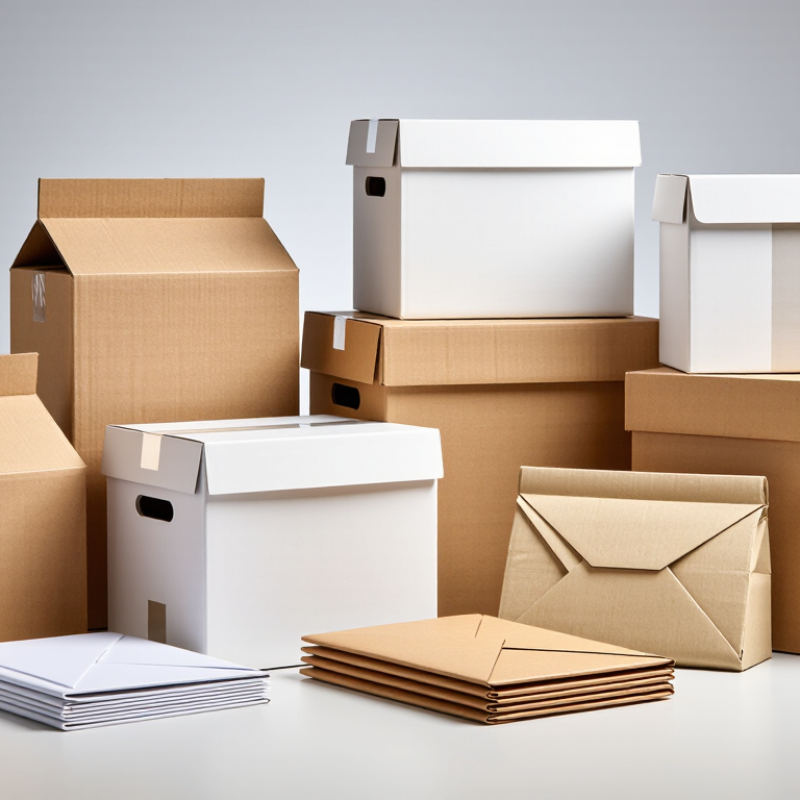
Bulk mailer boxes are shipping cartons designed for repeated packing, labeling, and international handling. They usually use corrugated board, folding paperboard, or rigid fiber materials. Common formats include self-locking mailers, roll-end boxes, book wraps, die-cut cartons, and kraft corrugated mailers.

Their value is practical. A well-fitted box limits movement, reduces empty space, and protects products during sorting and air transport.

The Pitney Bowes Parcel Shipping Index 2023 recorded 161.8 billion parcels worldwide in 2022. That volume makes packaging consistency important for global sellers.

Standard box sizes can simplify warehouse work and improve pallet planning. They may also reduce dimensional-weight charges, although carrier rules differ by route.

Material choice needs closer attention. Lightweight corrugated mailers can lower shipping weight, while stronger double-wall versions suit heavier or fragile goods. Water-resistant coatings may help in humid transit conditions. Yet extra layers can complicate recycling.

The Ellen MacArthur Foundation has reported that packaging represents about 40% of global plastic use, showing why material decisions deserve scrutiny.

A bulk order should match product weight, closure style, and destination climate. It should also leave room for customs labels without covering key seams.

Not every “eco” claim is clear. Buyers should request board strength, recycled content, and test information from suppliers. Drop testing remains useful, but real shipments can be rougher.

Fit matters. The best mailer is not always the thickest one.

The Main Types of Bulk Mailer Boxes and Their Structural Differences

Top 10 Types of Bulk Mailer Boxes for Global Buyers

The Main Types of Bulk Mailer Boxes and Their Structural Differences

Bulk mailer boxes vary mainly by folding method, locking points, and base construction. These details affect assembly speed, product protection, and shipping volume.

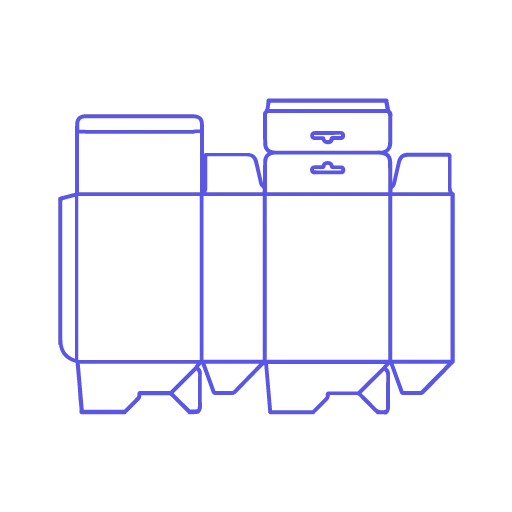
The roll-end tuck-front box uses one continuous piece of corrugated board. Its side walls roll inward, while the front flap tucks into a slot. This design creates clean edges and reliable closure. A crash-lock bottom adds a pre-glued base that snaps into shape during setup. It saves labor, but it usually costs more.

The self-locking mailer uses die-cut tabs and folded panels instead of separate tape. It suits lightweight goods and small retail shipments. A full-overlap mailer has flaps that meet or overlap across the opening. This structure improves stacking strength, especially when products need extra compression resistance. Bookfold mailers are shallower and wrap closely around flat items, reducing empty space.

Structural choice matters.

During packaging trials, I have found that thicker board does not always solve damage problems. Poor sizing can leave movement inside the box. A tighter fit may protect better than heavier material. However, very tight dimensions can slow packing and crush delicate corners. Early samples may also fold unevenly when scoring pressure is inconsistent. Testing filled boxes through vibration, compression, and repeated opening gives more dependable results than judging appearance alone. Surface printing, recycled fiber content, and moisture exposure can also change the box’s practical performance.


Top 10 Types of Bulk Mailer Boxes for Global Buyers

The main types of bulk mailer boxes and their structural differences

The chart compares common bulk mailer box structures using three industry-typical indices: protection potential, assembly simplicity, and flat-pack efficiency. Scores range from 1 to 5, where 5 represents the strongest or most favorable structural characteristic. Actual performance depends on board grade, dimensions, product weight, and die-line design.

Materials, Sizes, Closures, and Customization Options Explained

Top 10 Types of Bulk Mailer Boxes for Global Buyers require careful choices in materials, sizes, closures, and customization. The ten common formats include kraft mailers, white corrugated mailers, rigid mailers, book-fold boxes, roll-end tuck-top boxes, self-locking mailers, drawer boxes, padded mailers, subscription boxes, and returnable mailers.

Material affects protection, cost, and recycling performance. Corrugated board suits heavier products and long-distance transport. Kraft board offers a lighter, natural appearance. According to the Smithers report The Future of E-Commerce Packaging to 2028, e-commerce packaging demand continues expanding, while brands face stronger pressure to reduce material use. That makes board grade selection important.

A universal box is tempting. It is usually a false economy. Small items need snug dimensions, while fragile goods need internal clearance and cushioning.

Closures also shape warehouse speed and customer experience. Tuck flaps close quickly, adhesive strips improve tamper evidence, and tear strips support easier opening. The Pitney Bowes Parcel Shipping Index reported about 161.8 billion parcels worldwide in 2022, showing why efficient packing matters at scale.

Custom options include logo printing, water-based inks, matte coatings, dividers, windows, handles, and variable-size inserts. Yet excessive finishing can increase waste and shipping weight. In practical packing trials, attractive boxes sometimes perform poorly because the lid flexes under stacking pressure. Global buyers should test compression, moisture exposure, drop resistance, and pallet fit before approving bulk production.

How to Match Mailer Box Types With Products and Shipping Needs

Choosing a mailer box begins with the product, not the catalog photograph. Small cosmetics, books, clothing, and fragile accessories need different protection. A lightweight folding mailer suits soft goods and reduces unused space. A rigid mailer offers better resistance for premium items or flat products. For bottles or heavier components, reinforced walls and a secure locking base matter more than appearance. I have seen attractive boxes fail because the product moved inside. That mistake is expensive.

Shipping routes add another layer. Domestic parcel delivery may tolerate lighter board, while long export journeys need stronger corrugated material. Humidity, repeated handling, and tight warehouse stacking can weaken poor packaging. Choose an internal fit that limits movement without crushing the contents. Test the packed box with drop, vibration, and compression checks. Results can vary by carrier and season, so one test is not enough. A perfect fit on paper may still frustrate workers during packing.

Tips: Measure product length, width, height, and actual weight. Leave only practical clearance. Match board strength to route risk, not just shipping price. Ask suppliers for samples before ordering in bulk. Check print accuracy, glue points, and locking tabs. Keep a small record of damage rates after launch. It may reveal that the cheaper box costs more. Reassess the choice when products, destinations, or fulfillment methods change.

Global Buying Factors: MOQ, Costs, Certifications, and Supplier Checks

Top 10 Types of Bulk Mailer Boxes for Global Buyers

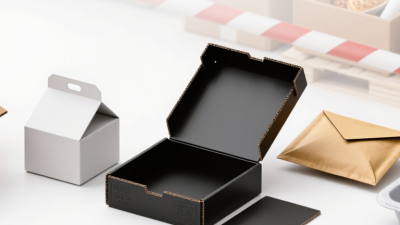
Global buyers often compare rigid mailers, bookfold boxes, roll-end tuck-top boxes, die-cut mailers, corrugated mailers, padded mailers, pizza-style boxes, drawer boxes, kraft mailers, and subscription boxes. Each type changes freight volume, packing speed, and damage risk.

A lightweight kraft mailer may reduce shipping costs, but it can fail under humidity or stacking pressure. That trade-off is easy to underestimate.

MOQ should match forecasted demand, not only the supplier’s minimum. Ask for pricing at 500, 1,000, and 5,000 units.

Include tooling, printing plates, inner protection, export cartons, and inspection fees. A low unit price may hide expensive setup charges. Suppliers should provide board grade, ECT or burst-test results, box dimensions, and production lead times. Request a physical sample before approving bulk production. Photos are not enough.

Certification checks need careful judgment.

The ISO Survey 2022 recorded about 1.26 million ISO 9001 certificates worldwide, but certification alone does not prove consistent box quality. Verify the certificate number, scope, issuing body, and validity.

FSC’s 2024 facts report lists more than 50,000 chain-of-custody certificates, useful for buyers requiring responsible fiber sourcing.

The World Bank’s 2023 Logistics Performance Index covers 139 economies, showing why destination-country delivery conditions matter.

I would also test compression, drop resistance, moisture exposure, and barcode readability. Supplier audits remain worthwhile, though they cannot replace independent inspection.

Get an Instant Quote

Share Your Feedback