7 Best Cardboard Packing Boxes for Shipping?
Choosing the right cardboard packing boxes can determine whether a shipment arrives clean, crushed, or unexpectedly expensive. Box strength matters, but it is not the only concern. Dimensions, board thickness, closure quality, moisture exposure, and handling conditions all influence shipping performance. A box that feels strong in a warehouse may fail after repeated drops, vibration, or compression in a delivery van.
Dr. Jay Singh, a packaging professor and transit-testing researcher, offers a practical reminder: “The best package is the one that survives the distribution environment.” That principle guides this review of seven cardboard packing boxes for shipping. Each option is considered for protection, usability, cost, and suitability for different products. Lightweight single-wall boxes may work well for clothing and books. Heavier double-wall designs offer better support for tools, appliances, and dense goods. Still, thicker cardboard is not automatically better. It can increase postage and reduce usable space.
Small details matter. Check the edge-crush rating when available. Fold every seam tightly. Use strong packing tape, not household adhesive. Fill empty corners so products cannot slide during transit. Some boxes perform poorly in damp storage, even when their construction looks impressive. That limitation deserves attention.
No ranking is perfect. Product weight, carrier handling, and packing technique can change the result. This guide therefore focuses on realistic use cases rather than promising one universal winner. The best cardboard packing boxes should protect the item, fit its shape, and remain practical for your shipping budget.
Types of Cardboard Boxes and Their Shipping Uses
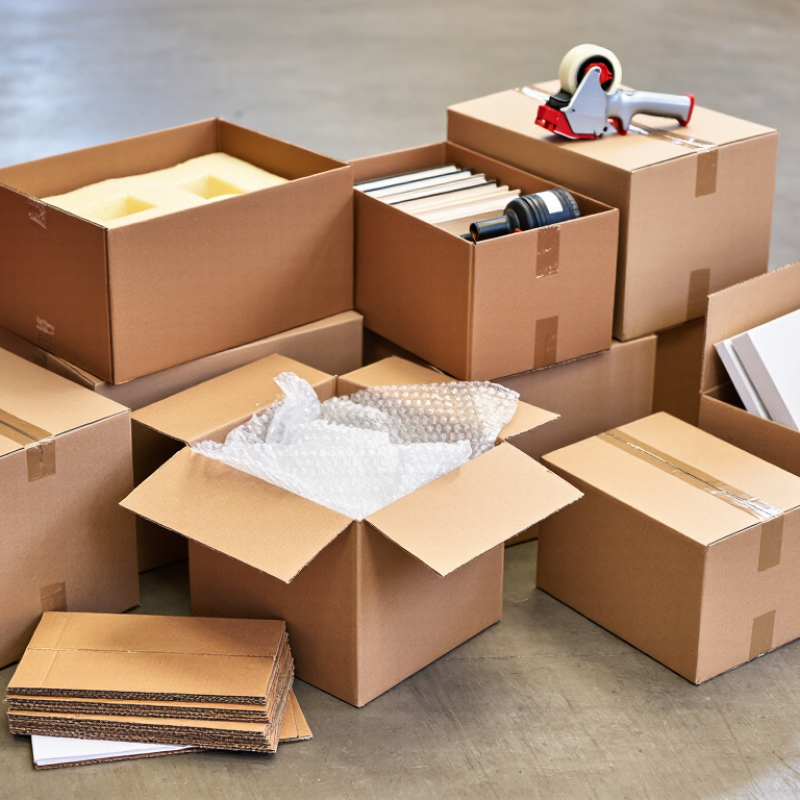
Single-wall corrugated boxes suit books, clothing, and small household goods. Their fluted center cushions light impacts without adding much weight. Double-wall boxes use two fluted layers, making them better for tools, appliances, and longer routes. Triple-wall construction handles very heavy cargo, but often wastes material for ordinary parcels. Choose carefully.
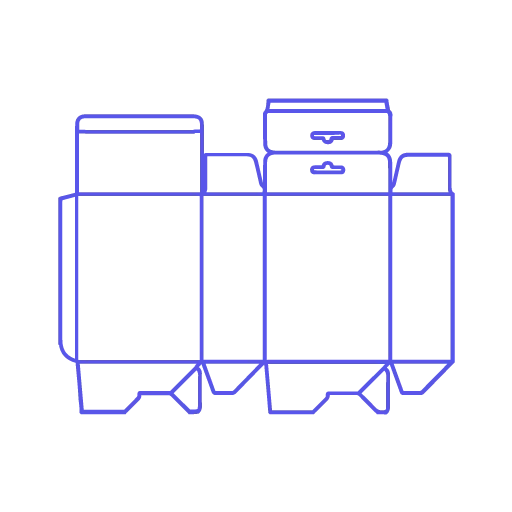
Die-cut mailer boxes fold tightly around cosmetics, accessories, or subscription items. They reduce empty space and usually need less tape. Telescoping boxes adjust around long products, such as posters, lamps, or fishing rods. Partitioned boxes separate glassware, bottles, or laboratory containers. A padded carton adds cushioning for fragile electronics, but foam and paper inserts must fit firmly. Loose space invites movement.
The U.S. Environmental Protection Agency reported a 68.2% recycling rate for paper and paperboard in 2018. That figure supports corrugated packaging, but clean, dry fiber remains essential. Smithers’ 2024 market outlook places global corrugated packaging demand above 200 billion dollars by 2029. More shipments mean more pressure to select the right box. In practical packing tests, a snug single-wall carton often beats an oversized double-wall box. I still measure every item. Box ratings can mislead when stacking, humidity, and rough handling are ignored. Test the corners, not only the flat panels.
Key Features of the Seven Best Packing Boxes
The seven best packing boxes depend on product weight, movement, and moisture exposure. Single-wall corrugated boxes suit books, clothing, and small household goods. Double-wall boxes provide stronger compression for dense or fragile items. Mailer boxes close quickly and work well for compact products. Full-overlap boxes protect edges during stacking. Bookfold boxes adjust around flat items, reducing empty space. Telescoping boxes fit long or irregular products. Die-cut boxes can hold inserts and limit internal movement.
Key features matter more than appearance. A box should match the item’s dimensions, leaving room for cushioning without allowing movement. The Fibre Box Association reports that corrugated packaging remains highly recyclable in North America, while Eurostat recorded an 81.5% recycling rate for paper and cardboard packaging in the European Union in 2022. These figures support fiber-based choices, but recycling does not excuse excessive material use. A strong box can still fail when its seams are weak. That detail is easy to miss.
Tips: Test the packed box before shipping. Drop it from waist height, then inspect corners and tape lines. Use double-wall construction for heavy contents. Choose edge protection for glass or sharp corners. Keep void fill minimal, but not absent. Smithers’ packaging market analysis continues to identify e-commerce protection and material efficiency as major industry priorities. I would also record box weight, dimensions, and damage results. Small trials reveal problems better than assumptions.
7 Best Cardboard Packing Boxes for Shipping
Key features vary by product size, shape, and protection level. The chart compares representative standard box sizes by internal volume, calculated from length × width × height in inches.
Smaller boxes are suitable for books, documents, and compact products, while larger cube and double-wall boxes provide more capacity for bulky or heavier shipments. Actual dimensions and weight limits vary by supplier and board grade.
Box Three to Five: Durable Choices for Fragile or Heavy Items
Box Three should be a double-wall corrugated box for fragile items. Its two fluted layers absorb pressure better than standard single-wall cardboard. Choose a snug size, but leave space for cushioning around every side. Glass, ceramics, and small electronics need protection from edge impacts, not just surface scratches. I usually add molded paper or dense foam, then shake the sealed box gently. Nothing should move. This small test catches weak packing early.
Box Four suits heavy items such as books, tools, or compact equipment. Use a short, strong box rather than a large container filled with loose material. Weight concentrates at the bottom, so reinforce the base with a second cardboard layer. Tape the center seam and both edges in an H pattern. Check the box’s edge-crush rating when available. A thick box is not automatically a strong box.
Box Five is useful for unusually delicate or heavy products requiring extra structure. Place the item inside an inner box, then suspend it within a larger outer box. Keep a firm cushion between the two walls. I once used too much empty space, and the inner package shifted during handling. That was my mistake. Packing materials can settle, so test the parcel after sealing and inspect crushed corners before shipping. Avoid relying on appearance alone.
7 Best Cardboard Packing Boxes for Shipping? - Box Three to Five: Durable Choices for Fragile or Heavy Items
| Box |
Inside Dimensions
(L × W × H) |
Board Construction |
Approx. Empty Weight |
Recommended Payload |
Best Use |
Key Shipping Advantage |
| 1. Small Book-Style Box |
12 × 9 × 4 in |
Single-wall corrugated board, approximately 32 ECT |
0.4 lb |
Up to 10 lb |
Books, documents, clothing, and small household goods |
Compact footprint helps reduce dimensional shipping charges. |
| 2. Medium Multi-Purpose Box |
16 × 12 × 12 in |
Single-wall corrugated board, approximately 32 ECT |
1.0 lb |
Up to 25 lb |
General online orders, kitchenware, toys, and apparel |
Balanced size and strength for common parcel shipments. |
| 3. Double-Wall Fragile-Item Box |
18 × 14 × 12 in |
Double-wall corrugated board, approximately 44 ECT |
2.1 lb |
Up to 40 lb |
Glassware, ceramics, framed items, and electronics with cushioning |
Extra wall thickness improves resistance to punctures and compression. |
| 4. Heavy-Duty Cube Box |
20 × 20 × 20 in |
Double-wall corrugated board, approximately 48 ECT |
4.5 lb |
Up to 60 lb |
Small appliances, bundled goods, tools, and dense household items |
Strong vertical panels support heavier contents when properly filled. |
| 5. Long Heavy-Item Box |
24 × 12 × 12 in |
Double-wall corrugated board with reinforced end panels |
2.8 lb |
Up to 50 lb |
Tools, hardware, sporting equipment, and long components |
Narrow proportions limit shifting and make long items easier to secure. |
| 6. Flat Picture and Panel Box |
30 × 24 × 4 in |
Double-wall corrugated board with flat-panel protection |
2.4 lb |
Up to 25 lb |
Posters, mirrors, artwork, panels, and flat home décor |
Wide panels reduce bending when rigid inserts and corner protection are used. |
| 7. Large Relocation Box |
24 × 18 × 18 in |
Single-wall corrugated board, approximately 32 ECT |
2.7 lb |
Up to 40 lb |
Lightweight clothing, bedding, cushions, and bulky soft goods |
Large capacity is useful for low-density items without excessive box weight. |
Payload limits are practical packing guidelines rather than carrier guarantees. Use cushioning for fragile contents, keep the weight centered, and seal every major seam with pressure-sensitive packing tape.