2026 Top Cardboard Packaging Types for Global Buyers?

Global buyers entering 2026 face a crowded cardboard packaging market. Corrugated shipping boxes, folding cartons, rigid boxes, and honeycomb boards serve different supply-chain needs. Each option balances protection, presentation, cost, and environmental performance. The best choice depends on product weight, transport distance, stacking pressure, moisture exposure, and retail expectations.

Walter Soroka, author of Fundamentals of Packaging Technology, defined packaging as “the science, art, and technology of enclosing and protecting products for distribution, storage, sale, and use.” His words remain relevant. A beautiful carton still fails if its corners collapse during a humid sea journey. A strong box may also waste material when a lighter structure performs equally well.

This guide examines the leading cardboard packaging types for international procurement in 2026. It considers board grades, flute profiles, coatings, printing methods, closures, and customization limits. Buyers will also see how packaging choices affect warehouse handling and container efficiency. Small details matter. A reinforced base can protect glass bottles. A correctly sized mailer can reduce internal movement and void fill.

Sustainability deserves careful judgment, not easy claims. Recyclability depends on local collection systems, fiber quality, inks, adhesives, and contamination. Some packaging decisions look greener but perform poorly in real distribution. That deserves reflection. Reliable suppliers should provide material specifications, test reports, production samples, and clear quality controls. This overview offers practical direction, while acknowledging that no single cardboard packaging type suits every market, product, or climate.
2026 Top Cardboard Packaging Types for Global Buyers?

Cardboard Packaging Basics and Key Material Categories

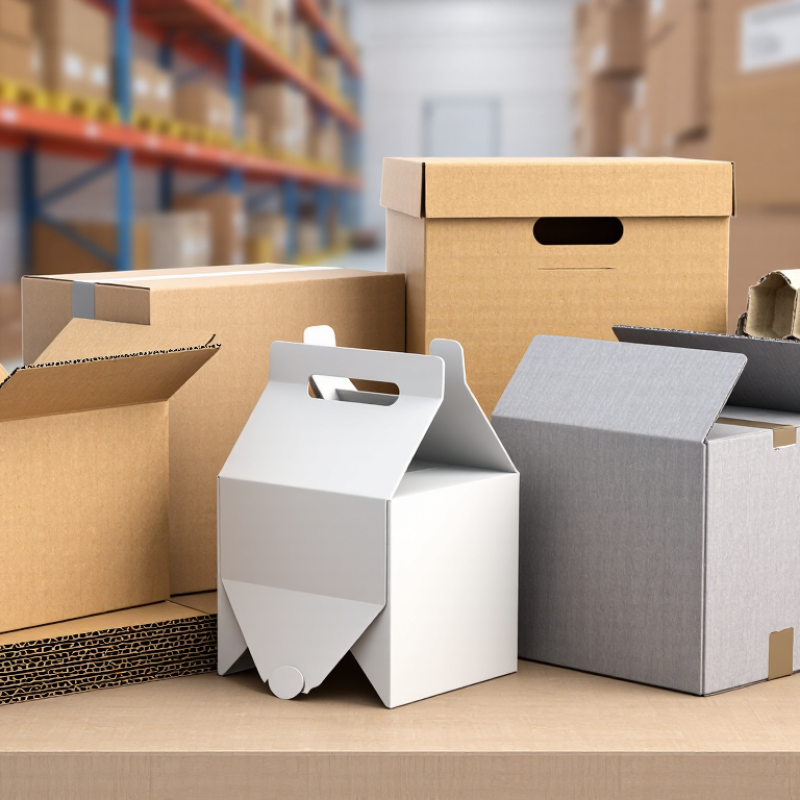
In 2026, global buyers are comparing more than appearance when selecting cardboard packaging. They examine structure, material origin, protection, and recycling conditions. Cardboard packaging usually falls into three practical groups: corrugated boxes, folding cartons, and rigid paperboard packs. Corrugated board combines outer liners with a fluted middle layer. It suits shipping because the flutes absorb pressure and reduce product movement. Folding cartons use thinner paperboard and support retail presentation. Rigid paperboard offers stronger walls for premium or delicate products.

Material categories also influence performance. Virgin fiber board provides consistent strength and a clean surface for detailed printing. Recycled board can reduce resource use, but its fibers may be shorter and less uniform. Coated board improves color clarity and moisture resistance. Uncoated board gives a natural texture and easier print recycling in some systems. However, no material is perfect. A recycled box may need thicker construction. A coated pack may complicate recycling where local facilities lack suitable equipment.

Tips: Ask for compression and moisture tests before ordering. Check flute size, board thickness, and total package weight. Match the material to real shipping conditions, not showroom handling. Request fiber content records and supplier test reports. Small prototypes often reveal weak corners, loose lids, or difficult opening points. Those details are easy to miss.

2026 Top Cardboard Packaging Types for Global Buyers

Cardboard packaging is selected according to strength, printability, stiffness, recyclability, and end-use requirements. Basis weight, measured in grams per square metre (g/m²), is a useful indicator for comparing common material categories.


The chart shows typical commercial basis-weight ranges used in cardboard packaging. Corrugated linerboard and fluting are combined to build shipping boxes, while folding carton board, solid board, and tube-and-core board are used for retail packs, rigid packaging, and cylindrical formats. Actual specifications vary by product protection, converting process, and regional standards.

How to Match Packaging Types with Product Requirements

Choosing the right cardboard packaging starts with the product, not the box catalog. Corrugated cartons suit shipping because their fluted layers absorb pressure and small impacts. Folding cartons work better for lightweight retail items needing clean printing and quick shelf handling. Rigid paperboard boxes provide a premium feel, but they add cost and storage volume.

Match board strength to product weight, shape, and transport distance. A glass item may need internal partitions, corner protection, and moisture-resistant coatings. A soft garment needs less strength but may benefit from a compact folding carton. For heavy or stacked goods, test edge crush strength and compression performance. For products exposed to humid warehouses, standard board can lose stiffness faster than expected.

Tips: Leave enough internal space for protective materials, but avoid excessive voids. Measure the packed product, not only the product itself. Request samples and perform drop, vibration, and stacking tests before approving production. In my experience, a stronger carton is not always the best carton; poor sizing can still cause movement and damage. This part is often underestimated. Packaging teams should also review opening convenience, recycling requirements, print clarity, and pallet efficiency. A box that protects the product but wastes transport space may need redesign. Small adjustments, such as changing flap depth or board grade, can improve reliability without creating unnecessary material use.

Top Cardboard Box Styles for Global Shipping and Retail

For global shipping in 2026, regular slotted cartons remain practical, especially for palletized products. Their flaps close quickly and suit automated packing lines. The Fibre Box Association reports that corrugated packaging represents a major share of shipped goods in many markets. Smithers projects continued growth in global corrugated packaging through 2029. That growth reflects e-commerce, export activity, and replacement demand.

Retail needs different box styles. Shelf-ready cartons can open with a tear strip and move directly onto store shelves. Die-cut mailer boxes provide stronger presentation for smaller products and reduce extra wrapping. Five-panel folders protect flat items, while double-wall cartons handle heavier loads and longer transport routes. The FEFCO system helps buyers specify designs consistently across international suppliers. This matters when drawings, language, and factory terminology differ.

Test the box with the actual product, not an empty sample. ISTA testing can evaluate vibration, drops, compression, and climate exposure. A humid sea route may weaken ordinary corrugated board. A tight die-cut box may also damage corners when workers pack quickly. No style wins every route. A common sourcing mistake is choosing the cheapest board grade first. Better decisions compare box dimensions, stacking height, product weight, humidity, and retail handling. Data reports guide planning, but real shipment trials still expose uncomfortable flaws.

Sustainability, Protection, and Customization Considerations

For global buyers in 2026, corrugated cartons remain practical for shipping and warehouse handling. They offer strong compression, low weight, and flexible printing options. Honeycomb paperboard inserts can replace plastic cushions in larger boxes. Folding cartons suit retail products requiring clean graphics and accurate shelf presentation. Each format serves a different protection problem.

Sustainability needs measurable evidence, not attractive wording. Eurostat reported an 81.5% paper and cardboard packaging recycling rate across the European Union in 2022. However, recycling performance depends on coatings, adhesives, inks, and local collection systems. A glossy carton may look premium but complicate fiber recovery. Recycled fiber also varies in strength. That assumption deserves scrutiny.

Protection and customization must develop together. The right carton uses internal dimensions closely, reducing empty space and unnecessary material. Drop testing, compression testing, and humidity testing reveal weaknesses before shipment. A McKinsey consumer survey found that 60–70% of respondents would pay more for sustainable packaging. Yet buyers should verify those intentions against actual purchasing behavior. Custom die-cut inserts, tear strips, and variable printing improve usability, but they can increase production waste. Smaller test runs are often wiser than immediate mass production. Ask suppliers for recycled content data, fiber sources, test results, and recycling guidance. Supplier claims should be documented.

2026 Top Cardboard Packaging Types for Global Buyers? – Sustainability, Protection, and Customization Considerations

Packaging Type Typical Structure and Applications Protection Level Customization Potential Recyclability and Sustainability Typical Sustainability Considerations Best-Fit Buyer Requirements Key Limitations
Single-Wall Corrugated Box Three paper layers: two liners and one fluted medium. Common for e-commerce shipments, household goods, food cartons, and general export packaging. High
Good cushioning, stacking strength, and resistance to ordinary handling when correctly sized.
High
Suitable for flexographic printing, die-cut features, inserts, handles, partitions, and custom dimensions.
High
Widely recyclable through established paper-recycling systems when clean and dry.
Use the lightest board grade that meets compression and drop requirements. Minimize oversized boxes and unnecessary void fill. Most general-purpose export and fulfillment applications seeking a balance of cost, protection, and recyclability. Less suitable for very heavy products, severe compression loads, or prolonged exposure to moisture.
Double-Wall Corrugated Box Five paper layers with two fluted mediums. Used for heavier products, bulk shipments, appliances, industrial components, and long-distance logistics. Very High
Higher stacking strength and puncture resistance than single-wall construction.
High
Can be produced in custom sizes with partitions, edge protection, and printed outer liners.
High
Paper-based and generally recyclable, although greater material use increases package weight.
Optimize board grade and box dimensions; excessive strength can increase material use without improving real-world performance. Heavy, fragile, high-value, or export products exposed to pallet stacking and extended transportation. Higher material consumption, cube, and shipping weight than single-wall boxes; less economical for lightweight goods.
Folding Carton Usually made from a paperboard sheet that is printed, creased, folded, and glued. Common for cosmetics, dry food, pharmaceuticals, and retail products. Medium
Provides product containment and surface protection but limited cushioning against heavy impact.
Very High
Supports detailed graphics, die-cut windows, embossing, foil effects, coatings, and locking structures.
High
Generally recyclable if paper-based and free from difficult-to-separate components.
Prefer water-based or low-impact coatings where appropriate. Avoid unnecessary plastic windows, laminates, and mixed-material finishes. Retail presentation, branding through graphics, shelf efficiency, and lightweight secondary packaging. Usually needs an outer shipping carton for impact protection and is sensitive to moisture and crushing.
Rigid Paperboard Box Thick, non-collapsible paperboard construction, often used for premium electronics, gifts, cosmetics, accessories, and presentation packaging. High
Strong shape retention and premium product protection, but cushioning depends on the internal fitment.
Very High
Supports wrapped papers, custom inserts, magnetic or ribbon closures, compartments, and premium finishes.
Medium
Paper components can be recyclable, but magnets, foils, laminates, adhesives, and fabric coverings may complicate recovery.
Design for disassembly and use paper-based coverings and inserts where practical. Avoid permanent mixed-material assemblies. Premium unboxing, reusable presentation, high perceived value, and strong shelf differentiation. Higher cost, weight, and storage volume; difficult to flatten and often less efficient for reverse logistics.
Die-Cut Corrugated Mailer Self-locking corrugated design manufactured from a die-cut blank. Common for subscription shipments, apparel, accessories, and direct-to-consumer orders. High
Integrated flaps and close-fitting geometry reduce movement and can improve product presentation.
Very High
Supports tear strips, locking tabs, compartments, handles, interior printing, and precise product-fit features.
High
Typically recyclable as corrugated fiberboard when free from excessive tape, plastic, and contamination.
Right-size the mailer, reduce void fill, and use paper-based sealing or tear-strip solutions where operationally suitable. Branded e-commerce delivery, easy opening, efficient packing lines, and low assembly complexity. Custom tooling may increase initial cost; not ideal for very heavy or irregularly shaped products.
Honeycomb Paperboard Panel Paper liners bonded to a cellular honeycomb core. Used for pallets, edge protection, layer pads, dividers, doors, furniture, and large-format cushioning. High
Good compression performance and lightweight structural support across large surface areas.
Medium
Can be cut and laminated to size, but offers fewer decorative options than cartons.
High
Predominantly paper-based and recyclable where local fiber-recovery facilities accept the construction.
Can replace some plastic foams or timber components, but product design must account for moisture and edge durability. Large, flat, or heavy products requiring separators, pallet protection, or lightweight structural reinforcement. Bulky storage, limited moisture resistance, and less suitable for small retail packs or complex closures.
Paperboard Tube and Composite Canister Spiral-wound or convolute-wound paperboard formed into cylindrical packaging for posters, snacks, powders, gifts, and specialty products. Medium
Good crush resistance along the cylinder but limited protection against end impact unless reinforced.
High
Supports printed wraps, paper lids, inserts, custom diameters, and decorative sleeves.
Medium
Recyclability depends on liners, metal ends, plastic closures, coatings, and adhesive composition.
Use removable or compatible components and clearly identify disposal routes for any non-paper parts. Cylindrical products, premium gifting, posters, powders, and applications where distinctive shape matters. Less space-efficient during palletization and may require mixed-material components for moisture or barrier protection.
Paper-Based Protective Insert Folded, molded, die-cut, or layered paperboard used inside outer cartons to separate, immobilize, and cushion products. Medium–High
Effective for preventing movement and surface contact when designed to match the product geometry.
High
Can be engineered into compartments, suspension structures, corner blocks, and product-specific fitments.
High
Usually compatible with fiber recycling when made from clean, uncoated paper materials.
Replace unnecessary plastic trays or foam where testing confirms equivalent drop, vibration, and compression performance. Fragile goods, multi-component kits, electronics accessories, glassware, and products requiring organized presentation. Requires product-specific engineering and validation; may provide less moisture resistance than plastic or foam alternatives.
Ratings represent typical industry characteristics for correctly engineered packaging. Actual performance depends on board grade, flute profile, dimensions, product weight, closure method, humidity, testing standards, and distribution conditions.
Global buyer checklist: Confirm recycled-fiber content, recyclability in the destination market, moisture and compression requirements, packaging dimensions, pallet efficiency, print and coating specifications, applicable food-contact or product-safety requirements, and performance testing before finalizing the packaging format.

Global Buying Standards, Costs, and Supplier Evaluation Criteria

2026 Top Cardboard Packaging Types for Global Buyers?

In 2026, global buyers compare more than carton appearance. They examine board grades, compression strength, print consistency, and recycling claims. Corrugated boxes suit shipping, while folding cartons support retail presentation. Rigid paperboard adds protection for premium goods but increases freight volume. A practical specification should state board type, flute profile, dimensions, closure style, moisture exposure, and permitted tolerances. Keep every requirement measurable. “High quality” is not enough.

Cost reviews should separate board price, conversion, printing, tooling, packing, freight, duties, and inspection. Ask for quotations at several quantities, such as 5,000, 20,000, and 100,000 units. Small orders often appear affordable until setup charges emerge.

Request technical data sheets, recycled-content evidence, and applicable safety declarations when relevant. Samples should come from production equipment. Check edge crush, burst strength, flatness, glue lines, color variation, and barcode readability. Test cartons after stacking and humidity exposure. Real conditions are less polite.

Supplier evaluation needs documented quality procedures, traceable raw-material records, calibrated testing equipment, and corrective-action reports. Verify capacity during peak seasons, not only during a sales call. Review lead times from purchase order to packed shipment.

Ask how rejected units are isolated and replaced. Communication matters when dimensions change by two millimeters. Attractive samples can still fail after long-distance compression.

No scorecard catches everything. Buyers should improve the checklist after each shipment.

Get an Instant Quote

Share Your Feedback