Menu
Close
Cardboard packaging is part of everyday life, from cereal boxes on kitchen shelves to shipping cartons at the doorstep. It protects products, carries information, and helps businesses move goods efficiently. Yet the term “cardboard” covers several materials, including paperboard and corrugated fiberboard. Understanding this difference makes packaging choices more practical.
A typical corrugated box contains a fluted inner layer between two flat linerboards. This structure adds strength without making the box excessively heavy. Paperboard is thinner and often used for food cartons, retail boxes, and cosmetic packaging. In real handling tests, box performance depends on board thickness, moisture, stacking pressure, and closure quality. A package that looks strong may fail after rain or rough transport. Small details matter.
Cardboard packaging is used to protect, group, display, and ship products. It can reduce transport weight and support printed branding. Many formats are also recyclable when they are clean and accepted by local recycling systems. However, recycling is not automatic. Wax coatings, plastic films, food residue, and wet fibers can complicate processing. This point is often overlooked.
It is not perfect.
Choosing the right package requires more than selecting the cheapest box. Product weight, storage conditions, delivery distance, and customer expectations should guide the decision. This article explains what cardboard packaging is, where it is used, and how its practical advantages and limits affect modern packaging decisions. The goal is clear information, not exaggerated claims.
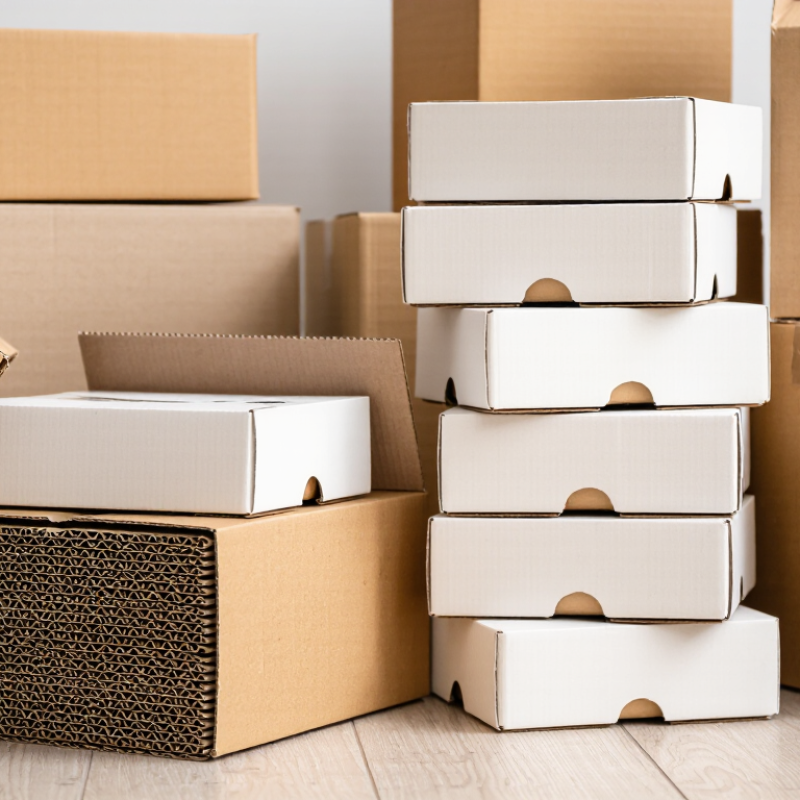
What Is Cardboard Packaging and What Is It Used For?
Definition and Basic Structure of Cardboard Packaging
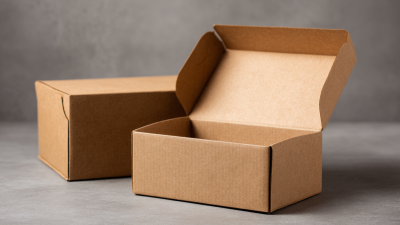
Cardboard packaging is a paper-based material used to protect, contain, and present products. In practice, the term covers paperboard and corrugated board. Paperboard is usually a single, dense sheet. It suits cartons for food, cosmetics, medicines, and household items. Corrugated board has a stronger structure. It combines flat liner sheets with a fluted inner layer.
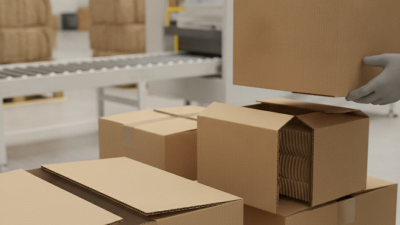
The fluted layer looks like repeated arches between two paper surfaces. These arches create space and improve resistance to bending and impact. Some boxes use one liner and one flute. Heavier shipping boxes may use several layers. Adhesive holds the sheets together. Board thickness, flute size, paper strength, and box shape all affect performance.
From a packaging perspective, cardboard is valued because it is light, printable, and relatively easy to handle. A well-designed box can reduce movement around a product. It can also be folded efficiently during storage and transport. However, cardboard is not automatically strong in every condition. Moisture can soften its fibers. Poorly matched dimensions may cause crushing or unnecessary material use. I have found that small design details, such as fold direction and internal clearance, often matter more than appearance. Recycling performance also depends on clean, suitable fibers. That point is sometimes overlooked.
| Packaging Dimension | Typical Specification or Fact | Structural or Practical Function | Common Use |
|---|---|---|---|
| Basic Definition | Cardboard packaging is packaging made from paper-based board that is thicker and more rigid than ordinary writing paper. | Provides a lightweight material for forming containers, sleeves, cartons, inserts, and protective components. | Retail packaging, shipping containers, food cartons, product sleeves, and storage boxes. |
| Main Material | Paper fibers are the primary raw material. The board may contain virgin fiber, recycled fiber, or a combination of both. | Creates a printable, foldable, and relatively low-density packaging substrate. | Folding cartons, paperboard trays, corrugated boxes, and protective dividers. |
| Paperboard Structure | Paperboard packaging is generally a single thick sheet or several bonded paper layers, often with a smooth outer surface. | Offers a flat, printable surface and enough stiffness for die-cutting and folding. | Cereal cartons, pharmaceutical cartons, cosmetic boxes, and lightweight product packaging. |
| Corrugated Structure | A standard single-wall corrugated board has two outer liner sheets and one fluted inner sheet bonded between them. | The fluted medium increases rigidity, cushioning, and resistance to compression compared with a flat sheet of similar weight. | Transport boxes, e-commerce shipping cartons, produce cases, and warehouse packaging. |
| Corrugated Layers | Single-wall board has 3 paper layers; double-wall board commonly has 5 layers; triple-wall board commonly has 7 layers. | Additional fluted and liner layers improve stacking strength and protection for heavier or fragile goods. | Single-wall for general shipping, double-wall for heavier loads, and triple-wall for demanding industrial transport. |
| Flute Profile | Common flute profiles include fine, medium, and coarse waves, with approximate heights ranging from about 1 mm to 5 mm depending on the grade. | Flute height affects cushioning, crush resistance, board thickness, and print surface quality. | Fine flutes for retail presentation and small cartons; larger flutes for cushioning and shipping strength. |
| Typical Board Thickness | Folding carton paperboard is often about 0.3–0.8 mm thick, while corrugated board commonly ranges from about 1.5–7 mm depending on its construction. | Thickness influences stiffness, protection, folding performance, and the amount of material used. | Thinner grades for cartons and sleeves; thicker grades for shipping boxes and protective packaging. |
| Surface Treatment | Surfaces may be uncoated or finished with water-based coating, varnish, lamination, wax, or other protective treatments. | Improves print appearance or provides resistance to moisture, grease, scuffing, and handling damage. | Printed retail cartons, chilled-food packaging, takeaway packaging, and moisture-sensitive products. |
| Printing Capability | Cardboard can support common package-printing processes, including flexographic, offset, digital, and gravure printing. | Communicates product information, handling instructions, regulatory details, graphics, and identification marks. | Retail displays, shipping labels, ingredient panels, instructions, and product identification. |
| Forming Methods | Typical converting methods include cutting, creasing, folding, gluing, stitching, and slotting. | Transforms flat board into three-dimensional cartons, trays, cases, dividers, and custom inserts. | Folding cartons, regular slotted containers, display boxes, partitions, and fitted inserts. |
| Protection Function | Corrugated structures can absorb and distribute impacts, while paperboard cartons mainly provide containment and surface protection. | Helps reduce crushing, abrasion, puncture, and movement-related damage during storage and transportation. | Glassware, electronics, household goods, packaged food, books, and general merchandise. |
| Load Performance | Compression strength depends on board grade, flute direction, moisture, box dimensions, stacking pattern, and package design. | Determines how well a package supports its own weight and the weight of other packages during stacking. | Palletized transport, warehouse storage, distribution centers, and long-distance shipping. |
| Weight Efficiency | Cardboard packaging generally provides useful stiffness and protection at a relatively low weight compared with many rigid alternatives. | Reduces packaging mass while maintaining functional strength for many products. | Shipping cartons, retail boxes, food packaging, and lightweight protective inserts. |
| Customization | Board can be produced in different grades, thicknesses, coatings, colors, shapes, and internal configurations. | Allows the package to match product dimensions, protection requirements, branding needs, and shelf presentation. | Custom-fit boxes, point-of-sale displays, subscription boxes, gift packaging, and product kits. |
| Recyclability | Clean and dry fiber-based cardboard is widely recyclable, but acceptance may vary by local collection and sorting systems. | Enables used packaging fibers to be recovered and processed into new paper-based products. | Household recycling streams, commercial recovery programs, and recycled-content packaging. |
| Recycling Limitations | Heavy food residue, excessive grease, wet fibers, certain laminations, and inseparable non-paper components can reduce recyclability. | Determines whether the material can be efficiently sorted, pulped, and reused. | Food cartons, coated boxes, laminated packages, and packaging with attached plastic or metal parts. |
| Common End Uses | Major use categories include retail, food and beverage, industrial, agricultural, household, and e-commerce packaging. | Provides containment, protection, information, handling convenience, and distribution efficiency. | Product cartons, shipping cases, trays, dividers, sleeves, inserts, and display packaging. |