What Are the Top Retail Box Types in 2026?
In 2026, retail boxes need to protect products, communicate brand value, and fit the way customers shop. A folding carton may suit skincare on a store shelf, while a corrugated mailer can better protect a product during delivery. Rigid boxes offer a more substantial unboxing experience, and display boxes help products stand out at the point of sale. Each format solves different problems.
Looks matter. But appearance alone is a poor buying guide. Product weight, dimensions, fragility, shipping conditions, storage space, and opening experience all affect which box works best. A package that feels premium in a showroom might be too heavy or costly for routine shipping. It happens.
This guide explores the top retail box types for 2026, including folding cartons, corrugated boxes, rigid boxes, sleeve boxes, and point-of-sale displays. It compares their typical uses, practical strengths, and trade-offs, so businesses can narrow their options with clearer criteria. Material choices and print finishes also deserve careful review; the most appealing option is not automatically the most practical. Packaging needs vary by product and sales channel, so test samples with the actual item before placing a large order. Small details count. A secure fit, readable label, and easy-to-open design can matter more than an elaborate finish. The best choice balances protection, presentation, cost, and customer experience without assuming one box type suits every brand.
How Retail Boxes Are Classified in 2026
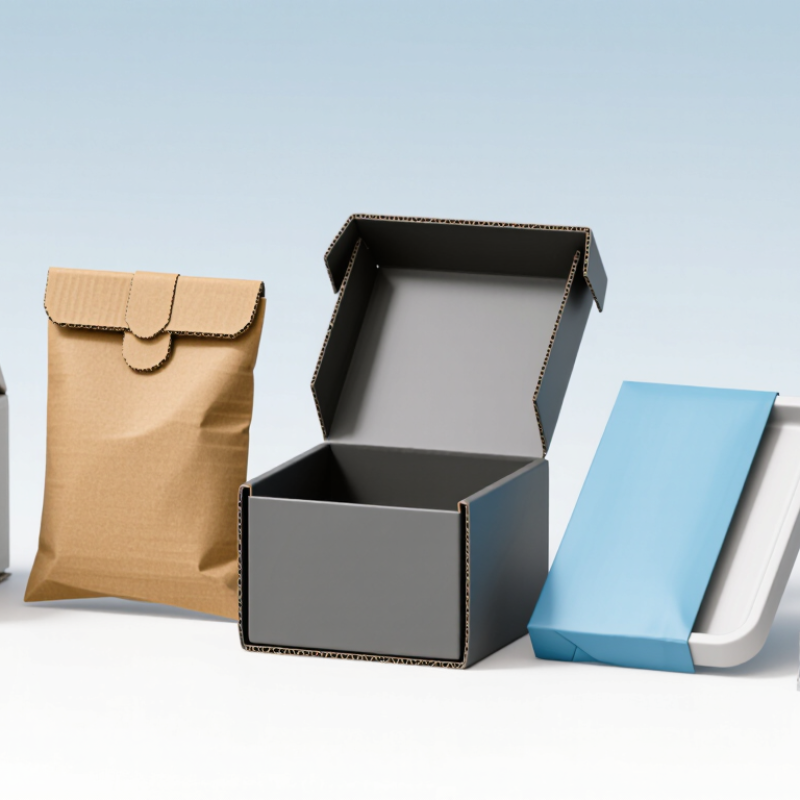
Retail boxes are easiest to classify by structure, purpose, and where customers encounter them.
Folding cartons are lightweight, printed boxes often used for items such as tea, cosmetics, or small household goods.
Rigid boxes have sturdier walls and hold their shape, while corrugated boxes add fluted layers for extra cushioning.
Sleeves and trays are also common formats, though they may work as parts of a larger package rather than as boxes on their own.
Purpose creates another useful classification.
Shelf-ready boxes open into displays, helping staff restock products and shoppers see them clearly.
Gift boxes focus more on presentation, while shipping-oriented retail boxes need to protect contents through handling.
Some designs serve both roles. That distinction matters.
A box that looks polished on a shelf may still need stronger corners if it will travel directly to a customer.
Material and opening style add further detail.
Paperboard, corrugated board, and rigid paper-based constructions each offer different levels of stiffness and protection.
A tuck flap, magnetic-style closure, or lift-off lid changes how a box opens and feels in the hand.
These labels are not always neat. Not always neatly.
A useful classification records the box’s structure and job, then checks the actual product, shelf space, and delivery conditions before selecting a format.
Folding Cartons for Everyday Shelf Products
Folding Cartons for Everyday Shelf Products
Folding cartons suit everyday shelf products because paperboard can be cut, creased, printed, and shipped flat. They hold cereal, tea, personal-care items, and small household goods in clear, familiar formats. A tuck flap opens easily; a glued seam keeps the pack square. Small details matter. Carton dimensions should match the product, not just the shelf. Oversized packs waste material and can shift during transport.
Recycling figures offer useful context, but they need careful reading. The U.S. Environmental Protection Agency reported a 68.2% recycling rate for paper and paperboard in 2018. The American Forest & Paper Association estimated a 65.7% U.S. paper recycling rate for 2023. These figures use different years and reporting methods, and neither measures folding cartons alone. Not a guarantee. In practice, coatings, attached windows, inks, and local collection rules can affect recovery. For a sturdy carton, specify board grade and test filled packs for compression and scuffing. A glossy finish may look sharp under store lights, but it can complicate material choices. The best design is sometimes less polished than expected.
What Are the Top Retail Box Types in 2026? — Folding Cartons for Everyday Shelf Products
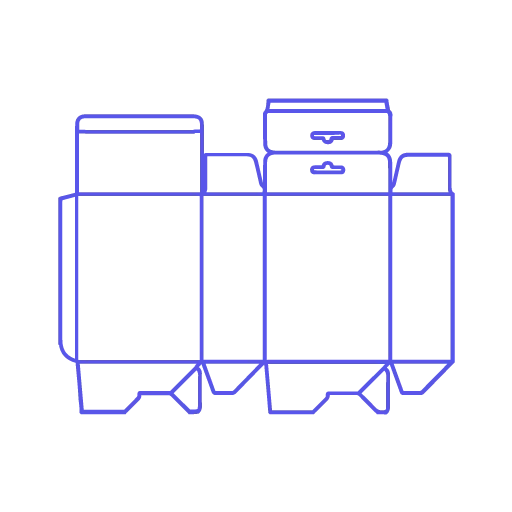
This schematic comparison shows the typical closure systems used in common folding carton styles, not market share or a ranking. Straight-tuck and reverse-tuck cartons use tuck closures at both ends; auto-bottom and snap-lock styles combine a tuck closure with a locking base. Actual designs can vary by product and manufacturer.
Rigid Boxes for Premium Retail Goods
Rigid boxes suit premium retail goods when presentation and protection need to work together. Their thick paperboard walls hold a clean shape, even when the box is handled repeatedly. A lid can settle with a soft, controlled fit. That detail feels deliberate. It can make opening a watch, glassware, or a carefully folded garment feel more considered.
Inside, a shaped insert keeps products from shifting and gives each item a clear place. Choose inserts that fit snugly without making removal awkward. Small details matter: rough edges, excess glue, or a loose lid can undermine an otherwise polished package. Rigid boxes also allow broad surfaces for restrained printing, textured paper, or a simple color contrast. More decoration is not always better.
There are trade-offs. Rigid construction uses more material and can add shipping weight, so box dimensions deserve careful testing with the actual product. A box that looks elegant on a display shelf may feel oversized in a customer’s hands. Rigid does not mean indestructible. Corners can still dent. And the opening ritual can feel a little too formal for everyday goods. A practical sample review should include handling, storage, and packing—not appearance alone.
Corrugated Boxes for Heavy or E-Commerce Products
What Are the Top Retail Box Types in 2026?
Corrugated Boxes for Heavy or E-Commerce Products
Corrugated boxes suit products that need extra support during storage and delivery. Their fluted inner layer helps absorb everyday knocks, while several board grades offer different levels of strength. For heavier items, compare box performance with the packed product’s weight and stacking conditions. A box that looks sturdy may still buckle under pressure. Measure the product, including protective inserts, before choosing the internal dimensions.
Tips: Leave room for cushioning, but avoid large empty spaces. Check the box after a realistic packing and handling test. Small gaps matter.
For e-commerce shipments, a well-fitted corrugated box can reduce product movement and limit damage from rough handling. Choose board strength based on the item, shipping distance, and how boxes will be stacked—not weight alone. Keep seams firmly sealed, and place heavier goods near the bottom when packing multiple items. Moisture can weaken corrugated board, so consider storage conditions too. I’ve seen packaging become unnecessarily bulky when teams choose the strongest board by default. That choice can add material without solving a poor fit. Test a few practical options; the result may be less than perfect at first. Review damage reports and adjust the design over time.
Specialty Retail Boxes and How to Choose Among Them
What Are the Top Retail Box Types in 2026?
Specialty Retail Boxes and How to Choose Among Them
Specialty boxes should fit the product, selling environment, and customer experience. Folding cartons suit lightweight goods and compact shelves. Rigid boxes add structure and a premium feel, but use more storage space. Mailer boxes protect items in transit and open easily at home. Fit matters. Measure the product, then allow room for inserts without letting items rattle. A snug fit can reduce damage, though overly tight packaging makes unpacking frustrating.
Match materials and finishes to practical needs. A window can show color or texture, while a coated surface may resist scuffs but complicate recycling. PwC’s 2024 Voice of the Consumer Survey, covering 20,000 consumers across 31 territories, found respondents were willing to pay an average 9.7% more for sustainably produced or sourced goods. That finding is not specific to boxes, but it supports considering recyclable materials and clear disposal instructions. McKinsey’s 2020 packaging research also examined consumer preferences for sustainable packaging, including recyclability.
Test a sample with the actual product. Check how it stacks, ships, and feels in the hand. A beautiful box can still fail if its corners crush during delivery. I would not assume the most elaborate option performs best; sometimes a simpler carton communicates care more honestly. Weigh protection, shelf impact, unit cost, and material use before choosing.