Choosing the best mailer boxes in 2026 means balancing protection, cost, presentation, and material use. The U.S. Census Bureau reported that U.S. retail e-commerce sales reached $1.1926 trillion in 2024, up 8.1% from 2023. E-commerce represented 16.1% of total retail sales. That scale makes packaging decisions more than a finishing touch: a box must survive sorting, stacking, and the last trip to the doorstep.
Start with the product. A snug box can limit movement, while excessive empty space may call for more protective fill and increase shipping volume. Check the box’s internal dimensions, board strength, closure style, and compatibility with your packing process. Small details matter. A sample packed with the actual product can reveal weak corners or awkward assembly before a large order arrives. Still, one successful test is not a guarantee; handling conditions vary.
Material claims deserve the same scrutiny. Compare recycled content, recyclability guidance, and supplier documentation rather than relying on a green label alone. Also weigh unit price against damage risk, packing time, and storage space. The Census figures describe online retail, not packaging demand directly, so they should not be treated as a forecast for box sales. Use them as context, then test options against your own products, order volumes, and delivery routes. The right mailer box is not always the cheapest or most impressive. It is the one that protects the item reliably without adding needless complexity.
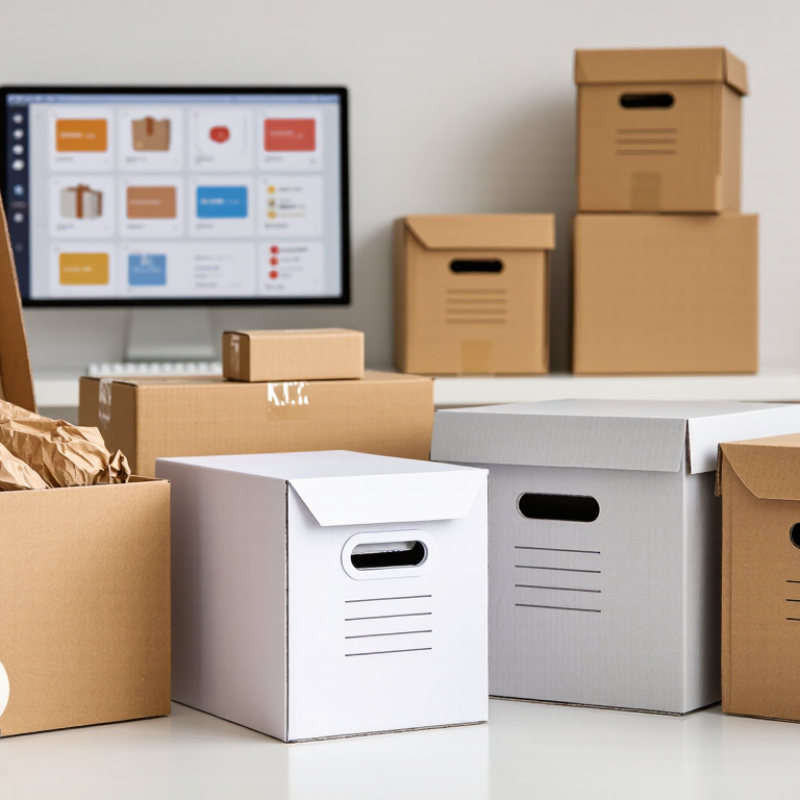
Start with the product, not the box style. Measure its length, width, and height, then leave room for protective material without letting the item shift. A ceramic mug may need a snug insert; folded clothing usually needs less cushioning. Check the packed weight, too. A small change in board thickness can affect both protection and postage.
Think about the route each box will travel. Parcels handled by several carriers may be stacked, tilted, or exposed to damp conditions. For heavier products, compare board strength and test a sample with the actual contents. A box that looks sturdy on a desk can still buckle under pressure. Test it. If the product arrives scratched or crushed, adjust the fit or cushioning before ordering a large quantity. One test is not proof, but it can reveal obvious weak points.
Branding should work with practical needs, not compete with them. Choose a size that limits empty space, then consider print placement, color, and how the box opens. A simple logo on the lid may be easier to recognize than dense artwork across every panel. Ask for a physical sample when print color or surface texture matters. Screens can be misleading. It is easy to overdesign a mailer; I’d reconsider any detail that raises cost but adds little to the customer’s unpacking experience.

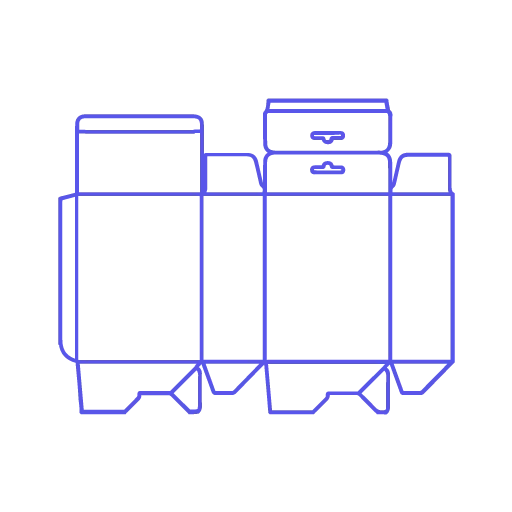
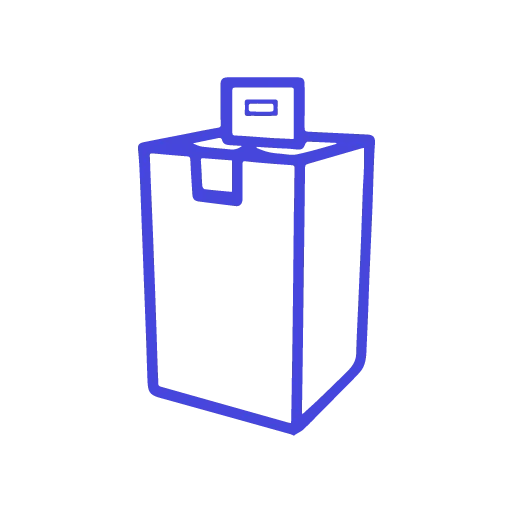
Mailer boxes differ in how they fold, close, and protect products. A roll-end tuck-front style uses side flaps and a locking front panel, creating a sturdy, clean presentation. A simpler self-locking design can speed packing, but may leave less room for thick cushioning. Fit matters. Measure the packed item, not just the product: a loose box lets contents shift, while an overly tight one can crush corners. For most shipments, corrugated board offers better cushioning than lightweight paperboard. Single-wall board suits lighter goods; heavier items may need stronger fluting or double-wall construction.
Material choice affects both protection and disposal. The U.S. Environmental Protection Agency reported that 32.1 million of 33.3 million tons of corrugated boxes were recycled in 2018, a 96.5% rate. That figure is specific to the United States and that year, not a guarantee for every local recycling system. FEFCO’s European corrugated-board life-cycle data also reports a high recycling rate, around 90%, supporting corrugated’s circularity when collection systems are available. For practical selection, compare flute profiles, board weight, and closure strength, then test a packed sample with realistic handling. ISTA transit-test procedures offer a useful framework, though a lab test cannot perfectly reproduce every delivery route. I would not choose the thickest board by default; it adds weight, and the right specification can still take a few trials.
A mailer box should fit the packed product, not just its advertised dimensions. Measure the item at its widest points, including handles, lids, or other parts that could press against the walls. Check the box’s internal dimensions; external measurements can be misleading. Leave enough room for a protective insert, but avoid a large empty cavity that lets the product slide. That gap matters.
Choose protection based on the item’s weight, fragility, and journey. A snug cardboard insert can steady a ceramic cup, while a soft product may need only a clean sleeve and light cushioning. For heavier contents, check the board’s strength and whether the base stays firm when lifted. A stronger box is not automatically better if the product still moves inside. Test a packed sample with gentle shakes and a short drop onto a firm surface. It is a useful check, not a guarantee of carrier handling.
Moisture, stacking, and repeated handling can change what protection is needed. If boxes may sit in a damp area or under other parcels, consider a more suitable board grade and added internal support. Keep the fit practical: too-tight packing can make closure difficult, while excess filler adds bulk and waste. There may be a compromise. Recheck the dimensions whenever the product or packing materials change.
| Product Type | Suggested Internal Box Size (L × W × H) | Sizing Guidance | Protective Features to Consider | Packing Notes |
|---|---|---|---|---|
| Small accessories, cards, or compact cosmetics | 6 × 4 × 2 in | Allow room for the product and a thin protective layer without leaving excessive empty space. | Corrugated board; paper cushioning or a fitted insert for fragile items. | Check that closures stay shut and products cannot slide around during handling. |
| Books, notebooks, or flat apparel | 10 × 8 × 2 in | Choose a low-profile box that fits the packed item, including any sleeve or wrapping. | Sturdy corrugated construction; corner support or a snug paper wrap if edges need protection. | For books, leave enough clearance to avoid rubbing while keeping the item from shifting. |
| Folded clothing or soft goods | 12 × 9 × 3 in | Measure the folded bundle at its thickest point and account for the final packaging. | Corrugated mailer; tissue or a protective bag to help keep contents clean and contained. | A close fit can reduce movement, but the box should close without compressing the contents excessively. |
| Small electronics or boxed accessories | 9 × 6 × 4 in | Measure the product together with its retail packaging, cables, and other included items. | Corrugated board; fitted insert or cushioning on all sides; anti-static packaging where appropriate for the item. | Keep accessories from contacting or pressing against delicate surfaces during transit. |
| Fragile ceramics, glass, or small home goods | 12 × 10 × 6 in | Allow space for protective cushioning around the product, not just the product’s bare dimensions. | Stronger corrugated construction; molded or paper-pulp inserts; cushioning that separates the item from the box walls. | Pack the item so it does not move when the closed box is gently tilted. Test the packed configuration before shipping. |
| Several small products in one order | 14 × 10 × 4 in | Arrange all items in their intended positions, then measure the complete packed layout. | Dividers or compartments; paper cushioning to fill gaps; corrugated board suited to the packed weight. | Separate items that could scratch, dent, or break one another in transit. |
| Long or narrow products | 16 × 4 × 3 in | Use a shape that follows the product’s dimensions while leaving room for end protection. | Corrugated board; end pads or a fitted insert to limit movement along the length of the box. | Confirm the box is not so narrow that the product presses against the walls. |
| General sizing rule | Measure each packed item before selecting a box | Compare the product’s packaged dimensions with the box’s internal dimensions. Add clearance for wrapping or cushioning; the amount depends on the item’s fragility and packing method. | Choose cushioning and board strength based on product fragility, packed weight, and expected handling. | Internal dimensions are the useful fit measurements. External dimensions may be larger and can affect storage or shipping calculations. |
How to Choose the Best Mailer Boxes in 2026?
Assess Sustainability, Customization, and Total Cost
A strong mailer balances material impact with protection and a clear unboxing experience. The U.S. Environmental Protection Agency’s 2018 materials report recorded a 96.5% recycling rate for corrugated containers. Still, recycling depends on local collection and clean, dry boxes. Ask suppliers about recycled content, material certification, and the box’s end-of-life options. For customization, start with the essentials: a snug fit, readable instructions, and print that uses ink efficiently. Extra coatings may look polished, but can complicate recycling.

Compare total cost, not just the price per box. Include setup charges, storage, packing time, void fill, shipping weight, and damage-related replacements. A custom size may reduce empty space, yet add inventory complexity. Measure a packed order before choosing. Test it. Drop-test a sample and check whether corners crush or contents shift; one imperfect trial can reveal more than a glossy spec sheet.
Tips: Request samples in two or three sizes and pack them with your actual products. Record box cost, packing time, and shipping weight for each. The best choice may not be the lightest box; it is the one that protects products without paying to ship unused space.

Verify Supplier Quality, Shipping Standards, and Sample Performance
Assess suppliers with evidence, not polished promises. Ask for recent quality records, material specifications, and written tolerances for box dimensions. Confirm how they inspect glue seams, print alignment, and board strength across production runs. A short questionnaire can reveal whether checks happen routinely or only after complaints. Ask which shipping tests they use and whether those tests match your parcel’s weight, route, and handling risks. Requirements vary by carrier and destination, so verify current guidance before ordering.
Request samples made with the same board grade and construction planned for production. Pack a typical order, including inserts, then check whether the box closes without bulging. Weigh it and inspect the corners after a controlled drop or compression test. Look for crushed edges, loose flaps, and scuffs on printed surfaces. One sample is not proof of consistency; request several from different batches when possible. Humid storage can soften board. That detail is easy to miss. Still, a bench test cannot recreate every rough delivery.


Tips: Photograph each test and record box dimensions and packed weight. Agree on a defect threshold before approving a large run, and keep one approved sample for comparison. If a supplier cannot clearly explain a failed test, pause and request a revised sample. Replacing damaged shipments often costs more.
We offer Packaging Boxes delivered to your door. Secure, professional, and affordable, our custom made packaging boxes are guaranteed to protect and transport your valuable items. Our devoted team is always there to serve you.