Menu
Close
Global parcel networks are becoming more demanding. Pitney Bowes’ 2024 Global Parcel Shipping Index recorded 161.2 billion parcels worldwide in 2023. That volume makes packaging selection a commercial decision, not a design detail. Mailer boxes must protect products, control dimensional weight, and support efficient fulfillment across different countries.
This guide examines leading mailer box types for global buyers. Roll-end tuck-front boxes suit clothing, books, cosmetics, and compact retail items. They offer strong corners and quick assembly. Regular slotted mailers can reduce material use and simplify automated packing. Full-overlap designs provide extra protection for heavier products or longer shipping routes. Rigid mailers help protect flat goods, such as photographs, documents, and premium prints. Each format creates different trade-offs in board grade, closure strength, storage space, and freight cost.
Performance matters more than appearance. The International Safe Transit Association’s ISTA 3A testing framework helps assess parcel protection under vibration, shock, compression, and handling conditions. Smithers’ research on e-commerce packaging also identifies sustainability, right-sizing, and fiber-based solutions as major market priorities. FSC-certified paperboard and recyclable mono-material construction can support responsible sourcing goals, but claims still require supplier verification. Green packaging is not automatically better packaging. A thin box may save material yet fail after a wet warehouse transfer. That failure costs more than extra board. Product dimensions, moisture exposure, stacking pressure, and destination requirements should guide the final choice. No single format wins every shipping lane. Even experienced buyers need to test samples before committing to large production quantities.

A mailer box is a lightweight shipping container made from corrugated paperboard. It usually has a hinged lid and built-in locking tabs. Unlike a standard carton, it often needs little or no extra tape. In packaging projects, I have found that this structure speeds up packing and creates a cleaner unboxing experience. The lid folds tightly around the product. Small detail. Big effect.
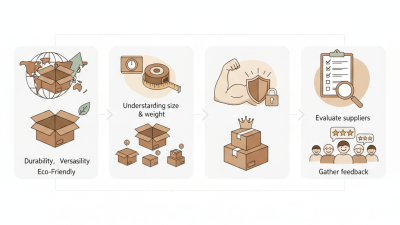
Global buyers use mailer boxes because they balance protection, shipping efficiency, and presentation. Their flat-packed form saves warehouse space before assembly. Standard sizes can also make freight planning more predictable across different markets. For international orders, buyers often check board strength, box dimensions, moisture resistance, and recyclable material claims. These details matter during long transport journeys. Still, not every product suits a mailer box. Heavy items may need stronger construction or added internal support.
A reliable purchasing process begins with samples, not assumptions. Test the box with the actual product, inserts, and shipping conditions. Compression testing can reveal weak corners or a lid that opens too easily. Do not rely only on appearance. I once approved a box that looked rigid but bent under stacked weight. The lesson was uncomfortable but useful. Packaging decisions should consider product size, handling risks, storage limits, and local recycling practices. A well-selected mailer box supports safer delivery while keeping materials and operating costs under control.
| Mailer Box Type | Basic Structure | Common Product Applications | Protection Level | Assembly and Closure | Sustainability Profile | Why Global Buyers Choose It |
|---|---|---|---|---|---|---|
| Roll-End Tuck-Front Mailer Box | One-piece corrugated structure with hinged side walls, a roll-end front, and a tuck-in front flap. | Apparel, footwear, subscription products, cosmetics, stationery, and general e-commerce orders. | Medium to high Provides good compression strength and protects products during parcel handling. |
Ships flat and folds into shape without glue during final packing. The tuck flap provides a practical everyday closure. | Usually recyclable when made from paper-based corrugated board without difficult-to-separate coatings or components. | Offers a reliable balance of presentation, packing speed, shipping protection, and material efficiency. |
| Roll-End Tuck-Top Mailer Box | Corrugated box with a hinged lid that folds over the opening and tucks into the front panel. | Retail products, home accessories, electronics accessories, books, and packaged gifts. | Medium to high Suitable for products that need stable walls and a secure top closure. |
Flat-packed and easy to assemble by hand. The top tuck closure can be opened and closed repeatedly. | Paper-based construction can support established paper and corrugated recycling streams, subject to local rules. | Works well for international fulfillment because it is compact before assembly and does not normally require wet adhesive. |
| Bookfold Mailer Box | Wrap-around corrugated design with a hinged cover and adjustable folding sections around the product. | Books, documents, framed items, small electronics, apparel, and flat or shallow products. | High for flat goods Multiple folding panels help hold flat products securely and reduce movement. |
Fast manual assembly with tuck flaps. Some configurations include tear strips or separate adhesive strips for opening and resealing. | Commonly made from recyclable corrugated board; added plastic tape or mixed-material features may affect disposal. | Its adjustable depth helps reduce empty space, which can improve dimensional shipping efficiency for flat products. |
| Die-Cut Mailer Box | Custom-cut one-piece box formed from corrugated board or folding carton stock, with precisely positioned folds and tabs. | Irregularly shaped products, promotional kits, premium retail items, and products requiring a fitted presentation. | Varies by design Protection depends on board grade, internal fit, cushioning, and the accuracy of the die-cut pattern. |
Designed for tool-assisted or manual folding. Locking tabs can reduce the need for glue or additional packing materials. | Material use can be optimized through nesting and precise cutting, although complex finishes may affect recyclability. | Useful for global product launches because the structure and dimensions can be adapted to different products and shipping requirements. |
| Self-Locking Mailer Box | Box with integrated locking tabs that hold the panels together after folding. | Small consumer goods, accessories, samples, stationery, personal-care items, and lightweight retail products. | Medium Provides dependable containment for lightweight products when the internal fit is appropriate. |
Quick assembly with minimal or no adhesive. The locking mechanism helps keep the package closed during normal handling. | Can reduce the use of plastic tape and additional closure materials when produced from recyclable paperboard or corrugated board. | Reduces packing steps and can simplify operations across multiple fulfillment locations and labor environments. |
| Magnetic-Style Rigid Mailer Box | Sturdier folding or rigid-paperboard construction with a flap designed to close through an integrated magnetic mechanism. | Premium gifts, luxury accessories, presentation kits, and high-value unboxing experiences. | Medium to high Rigid panels provide a premium feel and good shape retention, but added protection may still be needed for fragile products. |
Usually supplied ready to fold or partially assembled. The magnetic flap provides a smooth, reusable opening and closing experience. | Paperboard is recyclable in many systems, but magnets, coatings, foam, and mixed materials should be considered during disposal planning. | Selected when visual presentation, repeat use, and premium positioning are more important than the lowest packaging cost. |
| E-Commerce Return Mailer Box | Mailer box engineered with a primary closure and a second closure feature for return shipments. | Apparel, footwear, accessories, subscription goods, and products with relatively frequent return activity. | Medium to high Provides repeat-use containment when the box is opened and closed according to its design. |
Often includes a tear strip for opening and a second adhesive strip or tuck closure for return shipping. | Can reduce the need for replacement packaging, although adhesive strips and labels should be managed according to local recycling guidance. | Supports cross-border and domestic returns by making reverse logistics easier and reducing repacking time. |
| Cushioned Mailer Box | Mailer box combined with an integrated paper, corrugated, or molded-fiber cushioning feature. | Fragile cosmetics, glass containers, small electronics, ceramics, and other impact-sensitive products. | High Internal cushioning limits product movement and helps absorb impacts during parcel transportation. |
Assembly varies by design; internal inserts may fold into position or arrive pre-attached to the box. | Fiber-based cushioning is generally easier to sort and recycle than some plastic foams, provided materials are compatible with local systems. | Helps global buyers balance transit protection with a preference for paper-based protective packaging. |