China Top 10 Package Printing Companies for Global Buyers

Choosing a reliable Chinese package printing partner requires more than comparing prices. Global buyers need stable quality, clear communication, and dependable delivery. This guide introduces ten established companies serving international packaging markets.

The selection focuses on practical buying factors. These include printing equipment, material options, color control, minimum order quantities, and production capacity. Some suppliers specialize in folding cartons, while others handle flexible packaging, labels, rigid boxes, or sustainable paper solutions. Their experience with export orders can reduce misunderstandings during sampling, artwork approval, and mass production. Strong manufacturers usually provide prepress checks, color proofs, inspection records, and suitable export packaging.

Details matter here. A buyer may need a carton with sharp foil stamping, a matte surface, and accurate barcode reproduction. Another may require recyclable materials, low-odor inks, or retail-ready packing. Certifications can support confidence, but certificates alone do not guarantee every shipment will perform perfectly. Samples, factory communication, and independent inspections still deserve attention. This is where buyers must remain careful.

The companies in this overview are not identical, and no single supplier suits every project. Their strengths may differ by product type, order volume, budget, and destination market. Public information can also change, so buyers should verify current equipment, certifications, lead times, and compliance documents directly. A thoughtful comparison helps turn package printing from a simple purchasing task into a controlled supply-chain decision. Mistakes may still happen, especially with complex finishes or rushed approvals. Careful specifications and written confirmation can prevent many of them.
China Top 10 Package Printing Companies for Global Buyers

China’s Package Printing Industry and Its Global Market Role

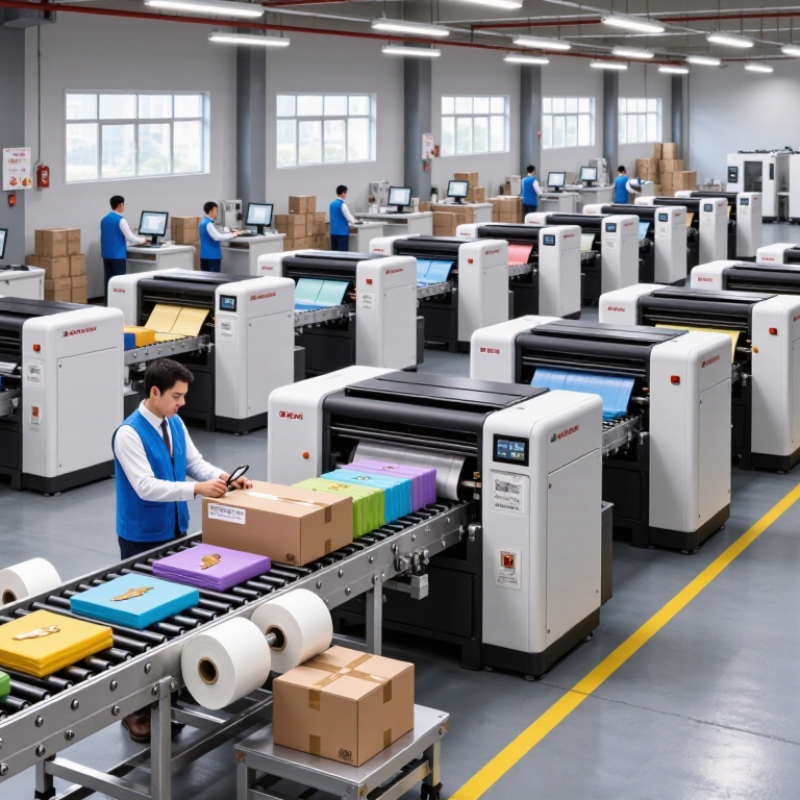
China’s package printing industry serves both domestic manufacturers and buyers across global markets. Its role extends beyond producing cartons, labels, and flexible packaging. Printers help businesses prepare products for shipping, retail display, and different customer preferences. On a production floor, this can mean checking color samples under bright inspection lights, measuring folds, and confirming that text remains legible at small sizes.

A broad supplier base gives overseas buyers options in materials, order quantities, and finishing methods. Some projects call for sturdy corrugated boxes; others need compact folding cartons or clear product labels. Export experience matters. Buyers should review sample quality, production capacity, communication practices, and delivery planning before placing an order. Clear specifications reduce avoidable changes, especially when artwork, dimensions, and packaging materials must match across multiple production runs.

The market is not effortless. Freight schedules can shift, material costs can vary, and a color that looks right on screen may print differently on paper or film. Small details matter. A practical supplier will explain tolerances, share production updates, and flag problems early rather than promise perfection. Still, buyers may need to check samples themselves; even a careful process can miss something. That is an imperfect but useful part of cross-border sourcing.

How the Top 10 Companies Are Selected and Compared

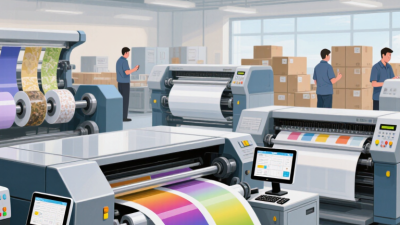
Selecting China’s top ten package printers requires more than comparing quoted prices. The market context matters: Smithers’ The Future of Global Packaging to 2028 forecasts worldwide packaging demand will exceed $1.2 trillion by 2028. That scale makes consistency, capacity, and delivery reliability practical selection criteria. Buyers should compare verified production samples, print-registration tolerance, color-control records, material options, and documented lead times. ISO 12647 provides a recognized framework for process-color control, but certification alone cannot prove that every job will match a buyer’s approved proof. Ask for recent records from comparable work.

A useful scorecard can weight print quality, technical capability, quality systems, communication, and total landed cost. Check how suppliers handle file preflight, proofs, color changes, and damaged or delayed orders. Request references and a small production trial before committing to large volumes. Compare like with like: identical board or film specifications, finishes, quantities, and shipping terms. A low unit price can hide setup charges or extra packaging costs. Rankings still involve judgment; a supplier’s strong result on one product type may not transfer neatly to another.

Tips: Send the same artwork and written specification to each candidate. Ask for a physical proof under agreed lighting, plus a clear schedule for approval and production. Record the results. Even careful comparisons can miss details, so leave room to revise the scorecard after the trial.

China Top 10 Package Printing Companies for Global Buyers - How the Top 10 Companies Are Selected and Compared

Evaluation Dimension Weight What Buyers Should Compare Evidence to Request
Product and process fit 20% Experience with the required packaging format, substrate, printing process, finishing, and intended end use. Relevant production samples, technical specifications, and confirmation that the requested process is available in-house or through qualified partners.
Print quality and color control 15% Color consistency, registration, image quality, finishing quality, and documented inspection procedures. Approved samples, color-management procedures, inspection records, and agreed acceptance criteria for the project.
Quality management 15% Whether quality controls are documented and applied from incoming materials through production and final inspection. Current quality-system certificates, where applicable, audit information, corrective-action procedures, and sample inspection reports.
Material and regulatory suitability 15% Whether materials and inks are suitable for the product, market, and applicable packaging requirements. Food-contact packaging requires particular attention to the rules of the destination market. Material declarations, test reports, supplier documentation, and written confirmation of the applicable market requirements. Verify documents independently where necessary.
Capacity and delivery planning 10% Available production capacity, order-size flexibility, production scheduling, and ability to communicate delivery risks. Written production plan, quoted lead time, capacity confirmation, and examples of how schedule changes are managed.
Cost transparency 10% Clarity of pricing for printing, tooling, finishing, packaging, freight, and any applicable setup or sampling charges. Itemized quotation with specifications, quantities, assumptions, payment terms, and a clear statement of what is excluded.
Communication and project support 5% Responsiveness, technical support, proofing workflow, language capability, and clarity of ownership for project decisions. Documented communication plan, proof-approval steps, named project contacts, and response expectations agreed before production.
Export and logistics readiness 5% Experience preparing export shipments, coordinating packaging and shipping documents, and working with the buyer's chosen logistics terms. Sample shipping-document checklist, proposed Incoterms, packaging details, and confirmation of responsibilities for freight and customs documentation.
Environmental and sourcing practices 5% Traceability of materials and substantiation of environmental claims, including recycled or certified paper content where relevant. Valid chain-of-custody or other relevant certificates, material specifications, and evidence supporting any environmental claims.
Comparison method: Apply the same project specifications and evidence requirements to every supplier. Score each dimension consistently, verify certificates and test reports with the issuing organization when appropriate, and treat the weights as a buyer-oriented framework rather than verified company rankings. Actual suitability depends on the product, destination market, order volume, and compliance requirements.

Profiles of China’s Top 10 Package Printing Companies

China’s package printing sector includes specialists in folding cartons, flexible packaging, labels, and corrugated boxes. The ten profiles should be read as a practical comparison, not a fixed ranking. Supplier strengths differ by material, order size, and production setup.

Some manufacturers focus on crisp carton details, such as fine lines and accurate color matching. Others handle flexible films, where sealing performance and steady print registration matter. Label producers may offer variable formats for different container shapes. Corrugated specialists often prioritize board strength and efficient shipping. A few factories combine several services, though broader capacity does not always mean better results. Ask for samples. Check the edge folds, ink consistency, and finish under ordinary light. Request details about quality checks, lead times, and material sourcing. These points make profiles more useful than machinery lists alone. Still, a polished sample can hide production variation. That deserves a closer look. Compare sample work with a small trial order, and confirm specifications in writing before production begins.

China’s Packaging Industry Revenue

Annual operating revenue of packaging enterprises above the designated size, 2022–2023 (RMB trillion)

Revenue decreased by about 6.1% in 2023. This industry-wide indicator covers packaging manufacturing, not printing companies alone.

Source: China Packaging Federation, 2022–2023 industry statistics. Values shown in trillion RMB.

Printing Technologies, Materials, and Packaging Types

China’s top ten package printing companies are often judged by more than price. Their real strengths appear in printing technologies, material control, and packaging flexibility. Gravure printing supports sharp images and stable color on long runs. Flexographic printing suits films, paper, and high-speed production. Digital printing helps with short runs and variable artwork, although unit costs can rise.

Material selection changes package performance. Kraft paper offers a natural appearance, while coated paperboard gives cartons a firm, smooth surface. PET, PE, BOPP, and aluminum foil can form protective laminates for pouches and bags. Common packaging types include stand-up pouches, flat bags, folding cartons, labels, sleeves, and rollstock. A glossy finish may look premium, but it can complicate recycling. That detail deserves more attention.

Tips: Request printed samples, color proofs, material specifications, and migration or safety test records. Ask how the supplier controls ink adhesion, sealing strength, and color variation. Confirm whether production uses solvent-based, water-based, or UV-curable inks. Check tolerances, inspection methods, and export documentation. Do not rely only on factory photos. A small trial order can reveal weak seals, uneven coating, or artwork errors. No supplier is perfect. Careful buyers should record these gaps and decide which compromises are acceptable.

How Global Buyers Evaluate Suppliers and Manage Orders

China Top 10 Package Printing Companies for Global Buyers

Global buyers now evaluate package printers beyond price. Smithers’ Future of Global Packaging to 2028 report values the market above US$1 trillion. This scale increases supplier choice, but also increases comparison risks. Buyers should review production capacity, material sourcing, color consistency, and export experience. A factory visit can reveal storage conditions that documents miss. Request recent samples, test reports, and customer references. Check whether the supplier controls artwork versions and records every approval.

Order management needs measurable checkpoints. Use a clear purchase order with quantities, tolerances, delivery dates, and agreed inspection methods. Confirm pre-production samples before mass printing. Track paper, ink, plates, and finishing separately. The World Bank’s Logistics Performance Index 2023 shows that international shipment reliability remains uneven across markets. Therefore, buyers should allow buffer time and confirm shipping documents early. A low quotation may hide rework, port delays, or weak after-sales support.


Tips: Build a supplier scorecard covering quality, response time, compliance, and on-time delivery. Ask for a weekly production update with photos. Keep one approved reference sample beside the inspection team. Do not trust color comparisons on different screens. No scorecard is perfect. Human judgment still matters, especially when a supplier explains a mistake clearly and corrects it quickly.

Get an Instant Quote

Share Your Feedback