Why Cardboard Packaging Is the Sustainable Choice for Modern Businesses
As businesses increasingly prioritize sustainability in their operations, the choice of packaging materials becomes a pivotal factor in their environmental impact. Among the myriad options available, cardboard packaging stands out as a formidable contender due to its inherent eco-friendliness and versatility. In the modern market, where consumers are becoming more environmentally conscious, selecting cardboard packaging not only enhances a brand’s credibility but also aligns its practices with sustainable development goals.
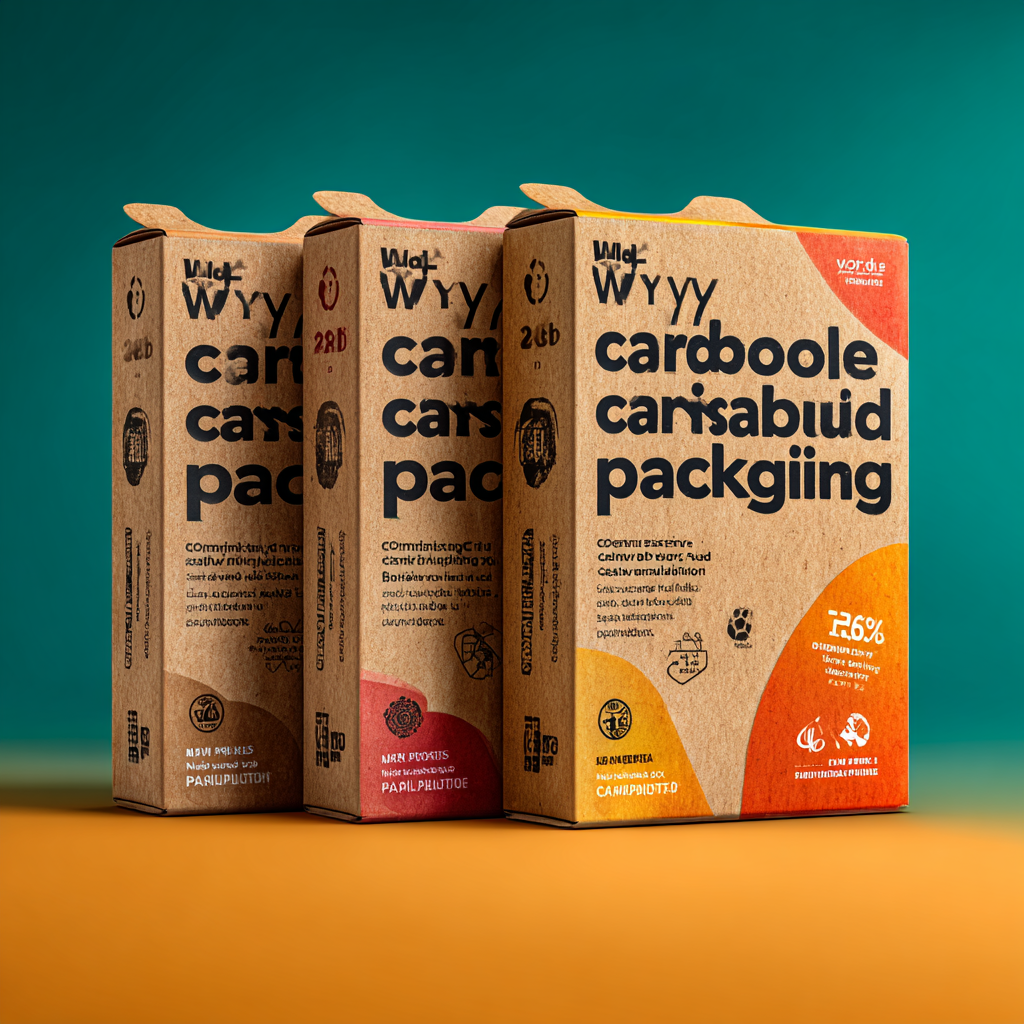
The benefits of cardboard packaging extend beyond mere aesthetic appeal or cost-effectiveness; they encompass the promise of reducing carbon footprints, minimizing waste, and appealing to a growing audience of eco-savvy shoppers. By focusing on the top five reasons why cardboard packaging is the sustainable choice for modern businesses, this exploration will illuminate how this material serves as a catalyst for positive change within various industries. Companies that embrace cardboard packaging not only cultivate a responsible brand image but also contribute to a larger movement towards sustainability that resonates with consumers and fosters loyalty.
The Environmental Benefits of Cardboard Packaging
Cardboard packaging stands out as a top choice for modern businesses, primarily due to its significant environmental benefits. According to a report by the American Forest & Paper Association, over 70% of corrugated containers are recycled in the U.S., underscoring the material's recyclability. This high recycling rate not only reduces landfill waste but also lessens the demand for virgin materials, which can be detrimental to forests and biodiversity.
Moreover, cardboard has a lower carbon footprint compared to plastic alternatives. A study published in the journal “Resources, Conservation and Recycling” found that the production of cardboard emits up to 50% fewer greenhouse gases than plastic. This is largely attributed to the biodegradable nature of cardboard, which can break down naturally within months, whereas plastics can persist in the environment for hundreds of years. Consequently, choosing cardboard packaging aligns businesses with sustainability goals, appealing to environmentally conscious consumers and helping to mitigate climate change impacts.
Why Cardboard Packaging Is the Sustainable Choice for Modern Businesses - The Environmental Benefits of Cardboard Packaging
| Sustainability Factor |
Cardboard Packaging |
Plastic Packaging |
| Recyclability |
Highly recyclable |
Limited recyclability |
| Carbon Footprint |
Lower carbon footprint |
Higher carbon footprint |
| Biodegradability |
Biodegradable |
Non-biodegradable |
| Renewability |
Made from renewable resources |
Derived from fossil fuels |
| Energy Usage in Production |
Less energy-intensive |
More energy-intensive |
Cost-Effectiveness of Sustainable Packaging Solutions
The growing demand for sustainable packaging solutions has sparked significant interest among modern businesses, particularly in relation to the cost-effectiveness of such options. The global returnable transport packaging market is projected to reach a value of $130.18 billion by 2025 and $168.4 billion by 2032, demonstrating a compound annual growth rate (CAGR) of 6.08%. This trend is mirrored in the composite cardboard tube packaging market, which is expected to be valued at $1.8 billion in 2024, with a projected growth rate of 5.8% to reach $3.2 billion by 2034. This increase is largely driven by consumers' growing preference for sustainable and recyclable packaging solutions.
Pharmaceutical companies are also recognizing the significance of utilizing recyclable and biodegradable materials to minimize their environmental impact. As businesses shift towards sustainable packaging, they not only enhance their brand image but also realize potential cost savings. Furthermore, the rise in awareness regarding eco-friendly practices signifies an industry-wide shift that can lead to substantial growth opportunities, especially as services focusing on sustainable packaging gain traction. This alignment between sustainability and profitability is crucial for modern enterprises looking to thrive in an increasingly environmentally-conscious marketplace.
Consumer Preferences for Eco-Friendly Packaging
Consumer preferences are shifting significantly towards eco-friendly packaging solutions, with a growing awareness of environmental issues. Many consumers actively seek out products packaged in sustainable materials, such as cardboard, because they align with their values of reducing waste and minimizing their carbon footprint. A survey indicated that a substantial percentage of shoppers would prefer brands that use recyclable or biodegradable packaging, reflecting a considerable shift toward sustainability in purchasing decisions.
Moreover, eco-friendly packaging not only attracts conscientious consumers but also fosters brand loyalty. When companies adopt cardboard packaging, they demonstrate a commitment to environmental responsibility, which resonates positively with their customer base. Brands that prioritize sustainable practices and communicate these efforts effectively can significantly enhance their reputation and establish stronger connections with consumers. This preference reinforces the idea that modern businesses must adapt to the evolving landscape of consumer expectations, creating opportunities for innovation in product packaging that supports sustainability while meeting market demand.
Innovations in Cardboard Packaging Technology
In recent years, innovations in cardboard packaging technology have significantly enhanced its appeal as a sustainable choice for modern businesses. The development of advanced manufacturing processes has led to the creation of lightweight, yet durable cardboard materials that reduce waste and lower transportation costs. These innovative designs prioritize not only efficiency but also the recyclability and biodegradability of packaging materials, catering to an increasingly eco-conscious consumer base.
Furthermore, the integration of digital printing technology has transformed the way brands can utilize cardboard packaging. Businesses can now create eye-catching, customizable designs without the need for excessive ink or complex printing processes, thus minimizing their environmental footprint. Enhanced protective features, such as moisture-resistant coatings and structural innovations, ensure that products are well-protected during transit while also being environmentally friendly. As these advancements continue to evolve, cardboard packaging stands out as a versatile and sustainable option that meets the modern demands of both consumers and businesses alike.
Case Studies of Businesses Transitioning to Cardboard Packaging
In recent years, numerous businesses have successfully transitioned to cardboard packaging, showcasing its viability as a sustainable choice. One notable example is a leading cosmetics brand that replaced plastic containers with recycled cardboard packaging for its product lines. This move not only reduced their overall plastic waste but also appealed to environmentally conscious consumers.
By implementing innovative designs that use fewer materials while ensuring product safety, the brand illustrated that sustainability can complement aesthetic appeal.
Another case study involves a prominent electronics company that adopted cardboard packaging for its gadgets. By re-engineering their packaging process, they achieved a significant reduction in carbon footprint while maintaining the durability and protective qualities needed for shipping fragile items.
The company reported an increase in customer satisfaction as clients appreciated the eco-friendly approach.
These case studies highlight that transitioning to cardboard packaging is both a practical and strategic shift for businesses aiming to enhance their sustainability efforts while meeting customer expectations.